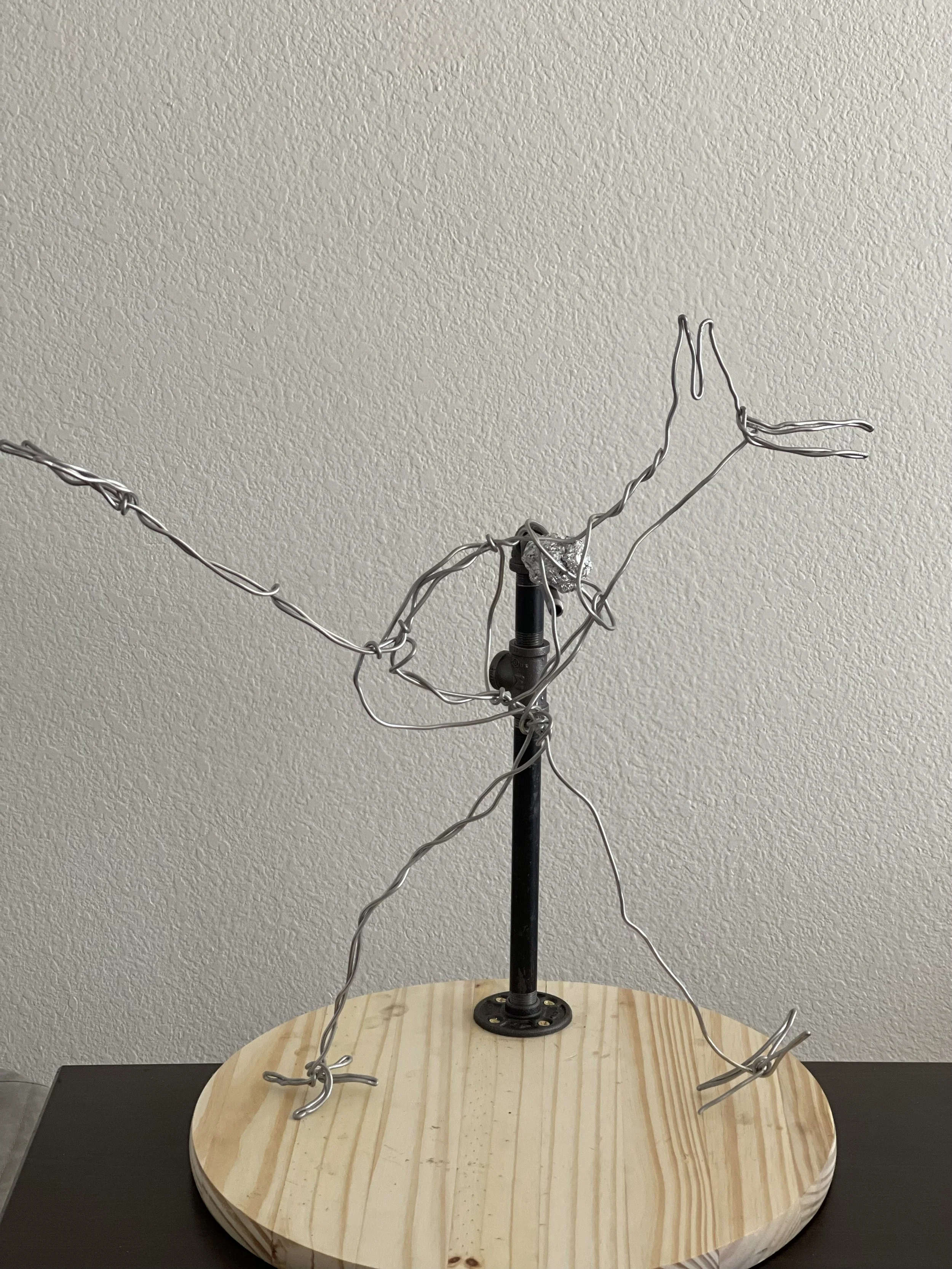
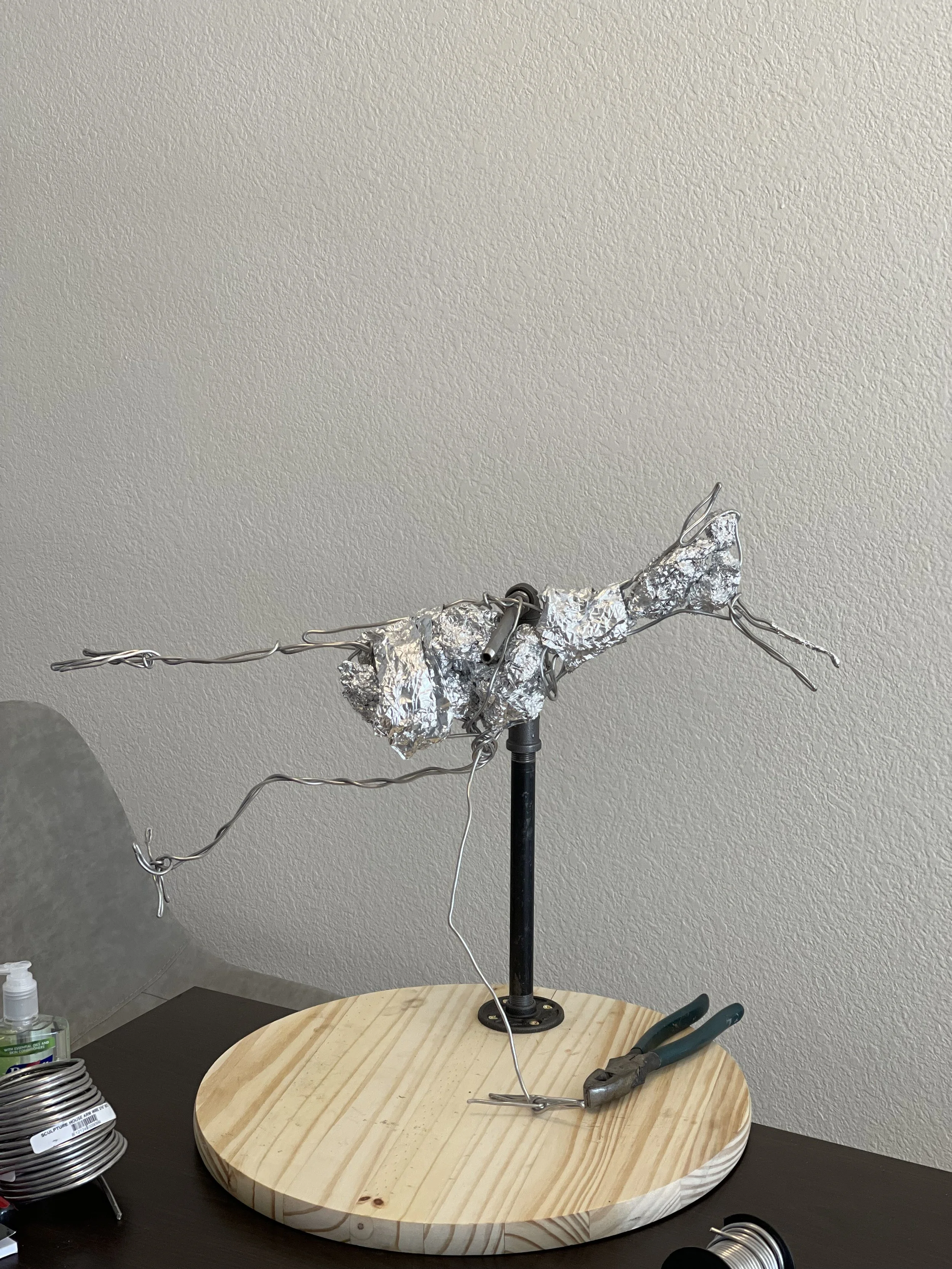
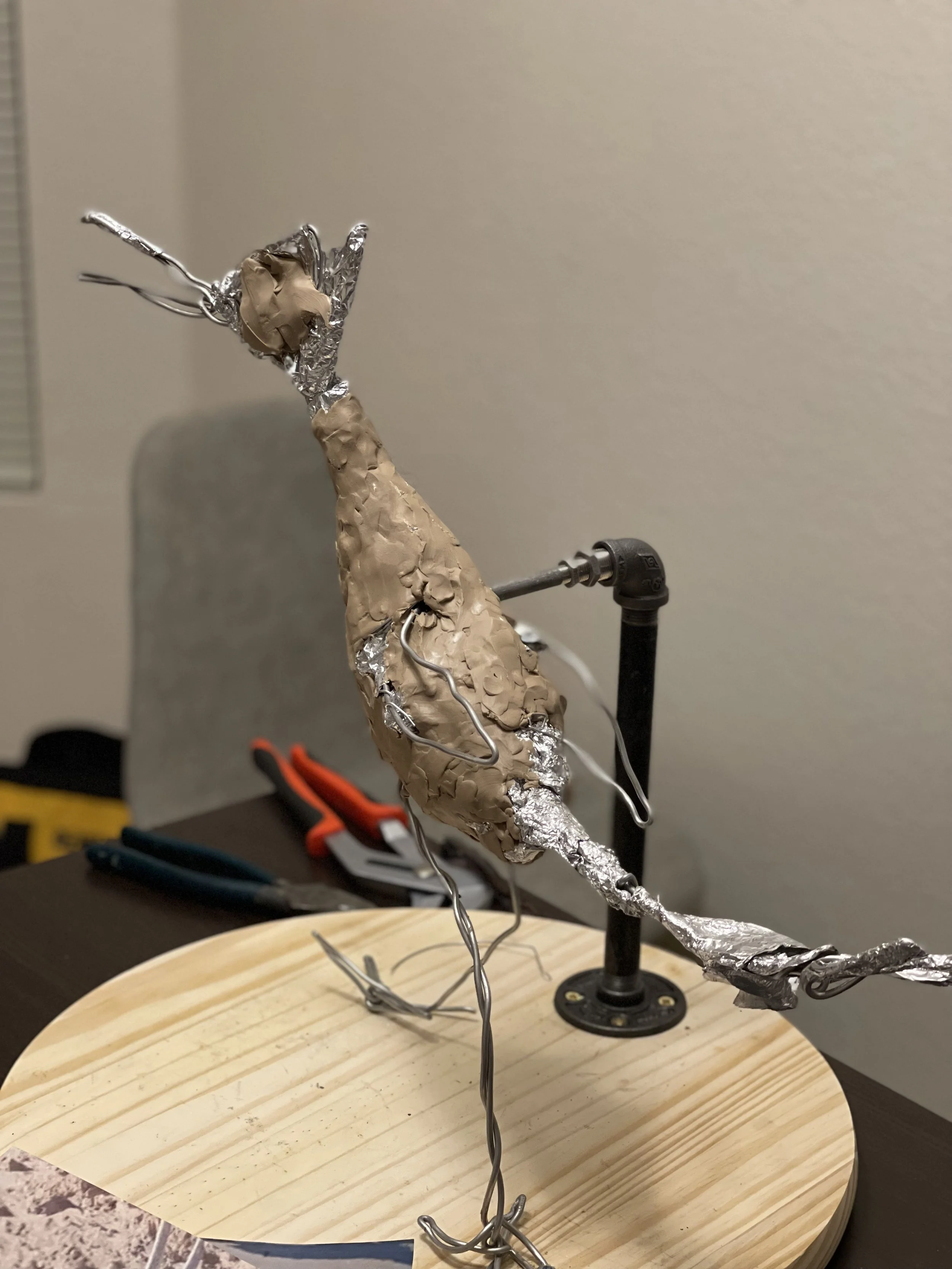
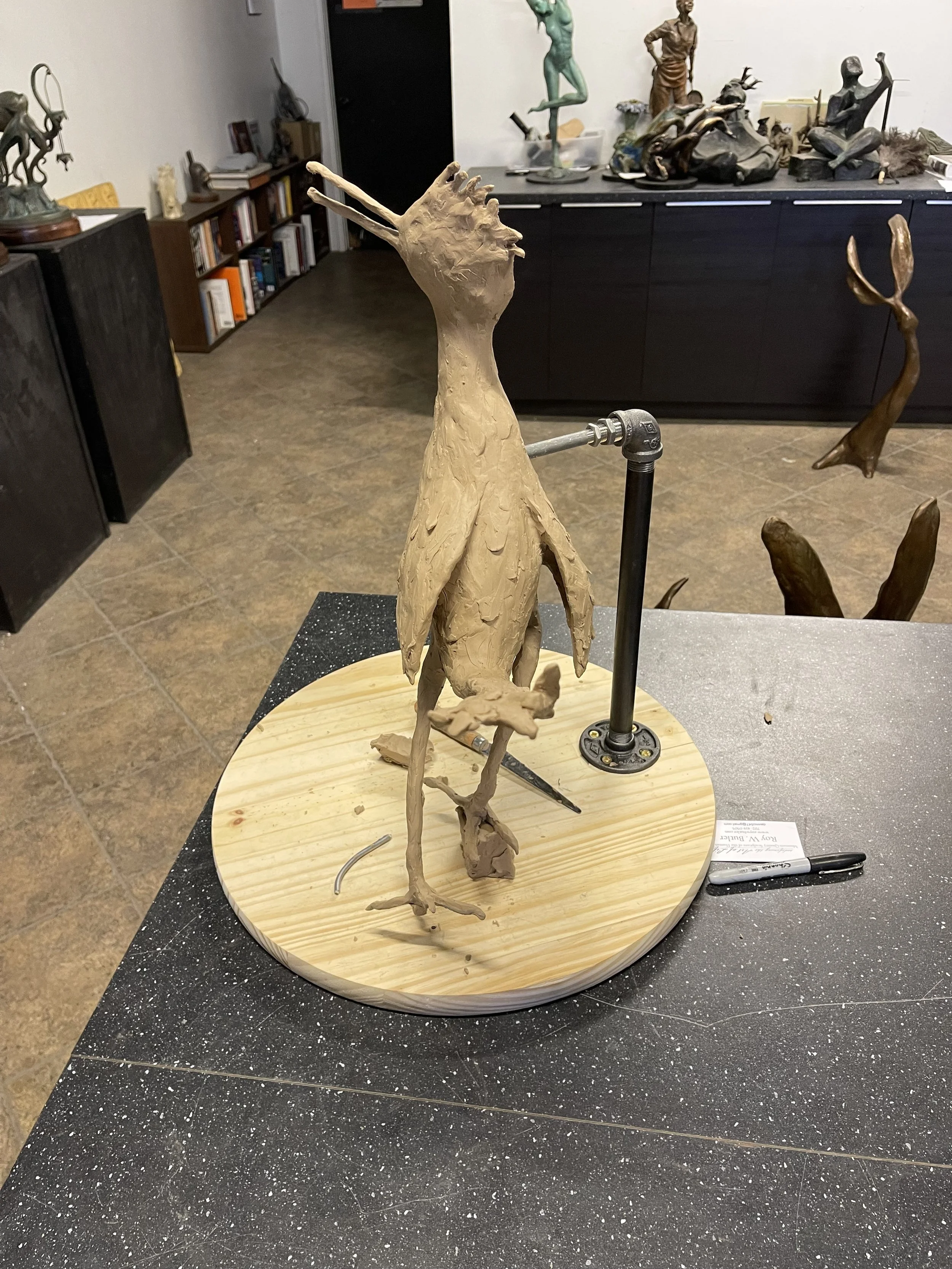
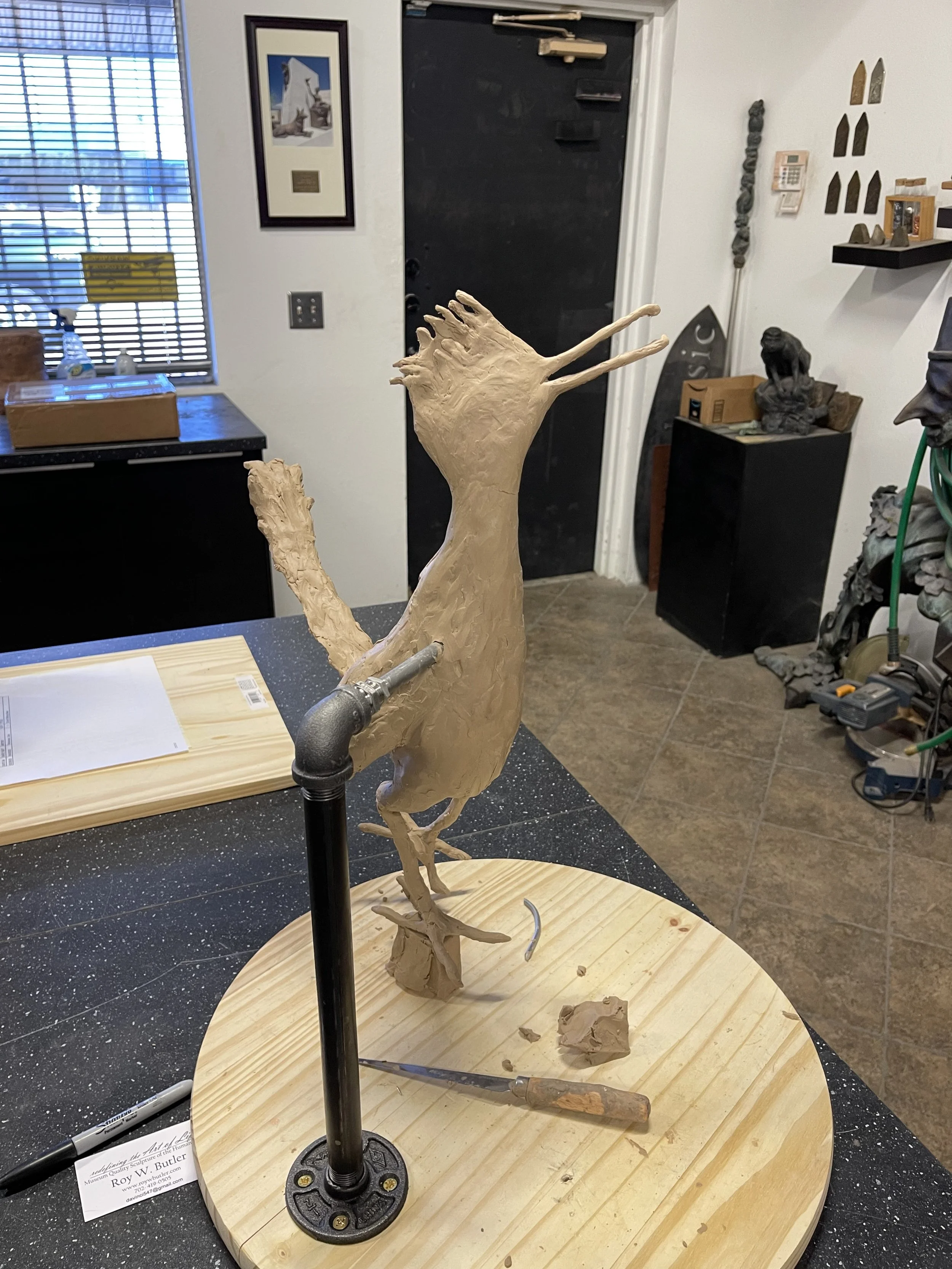
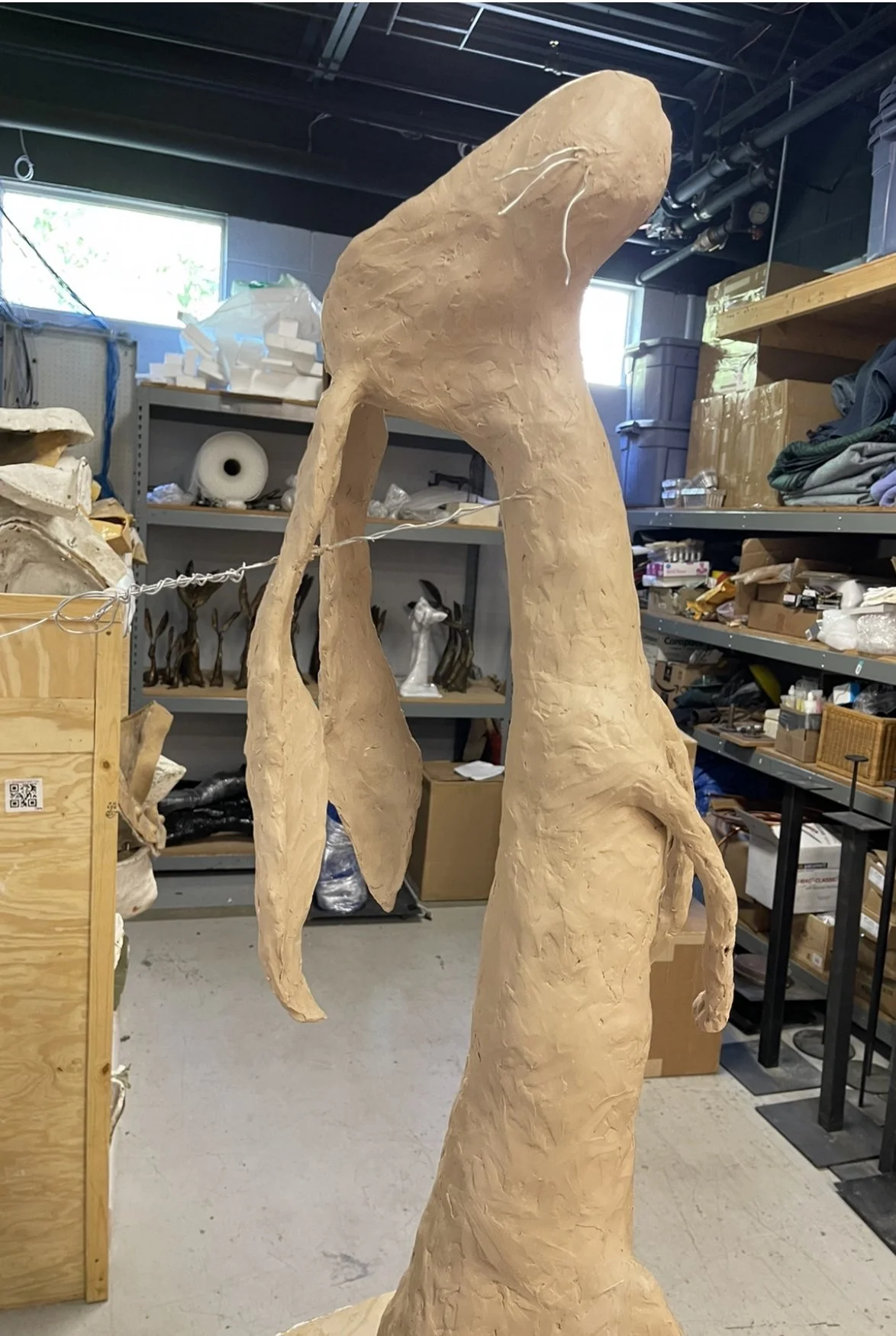
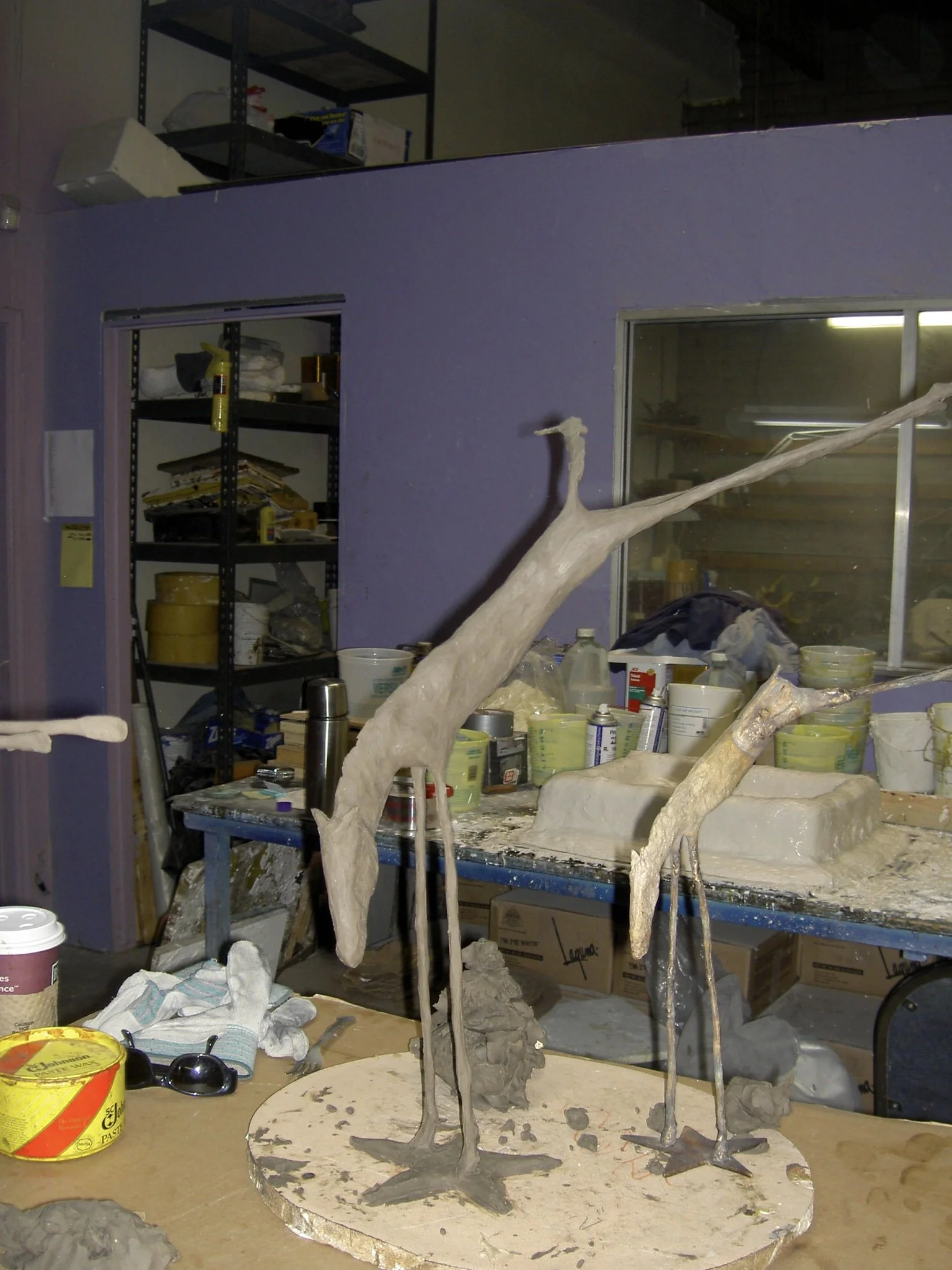
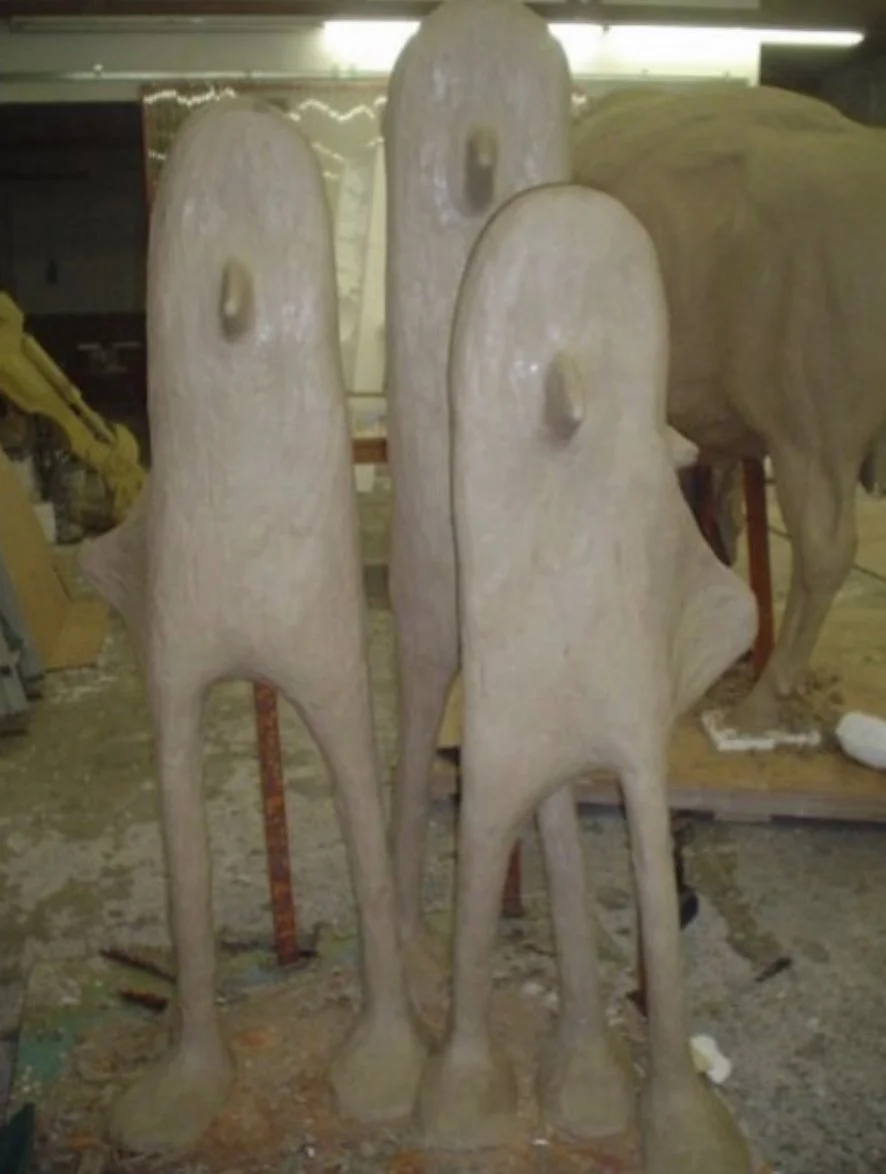
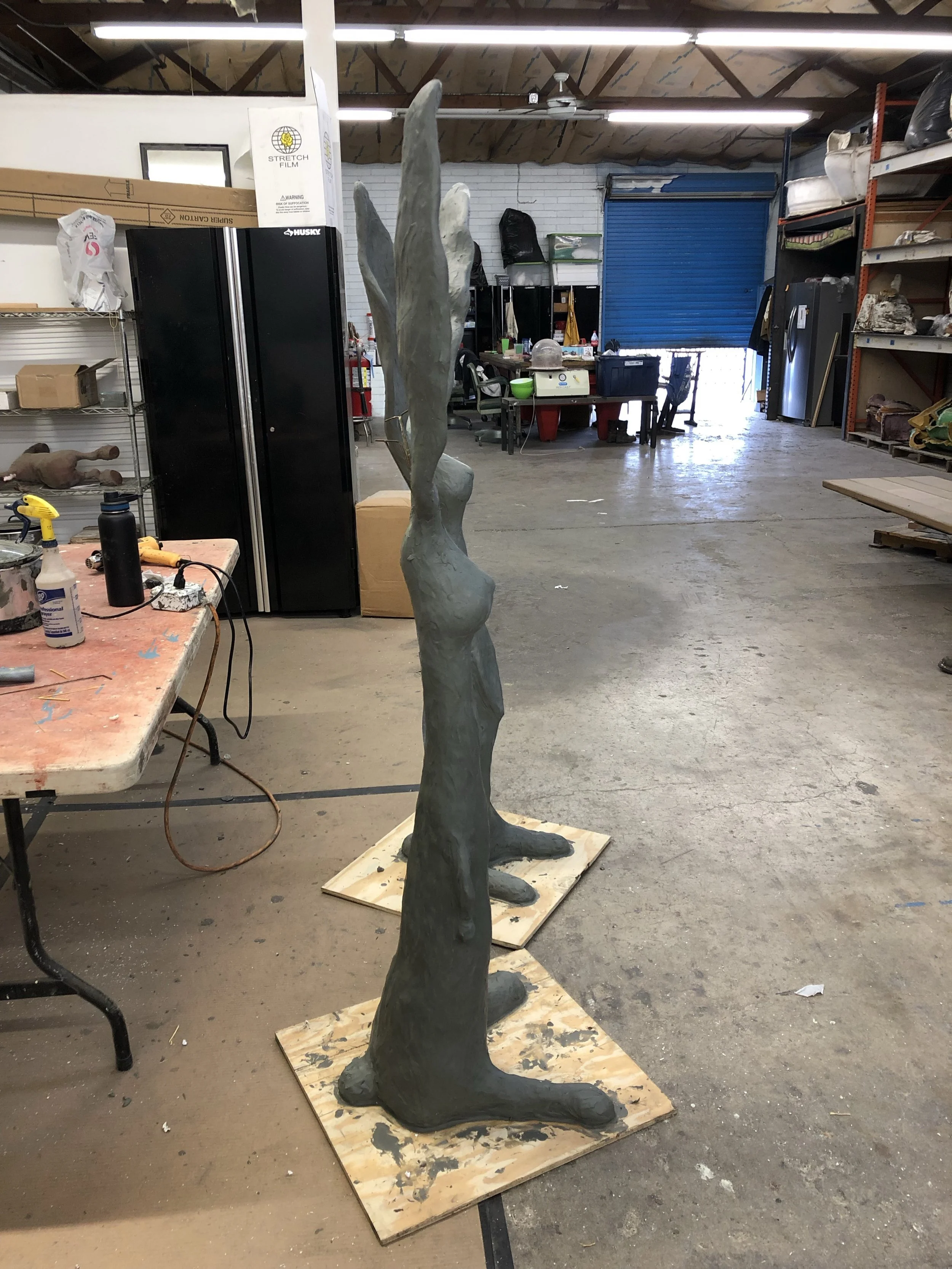
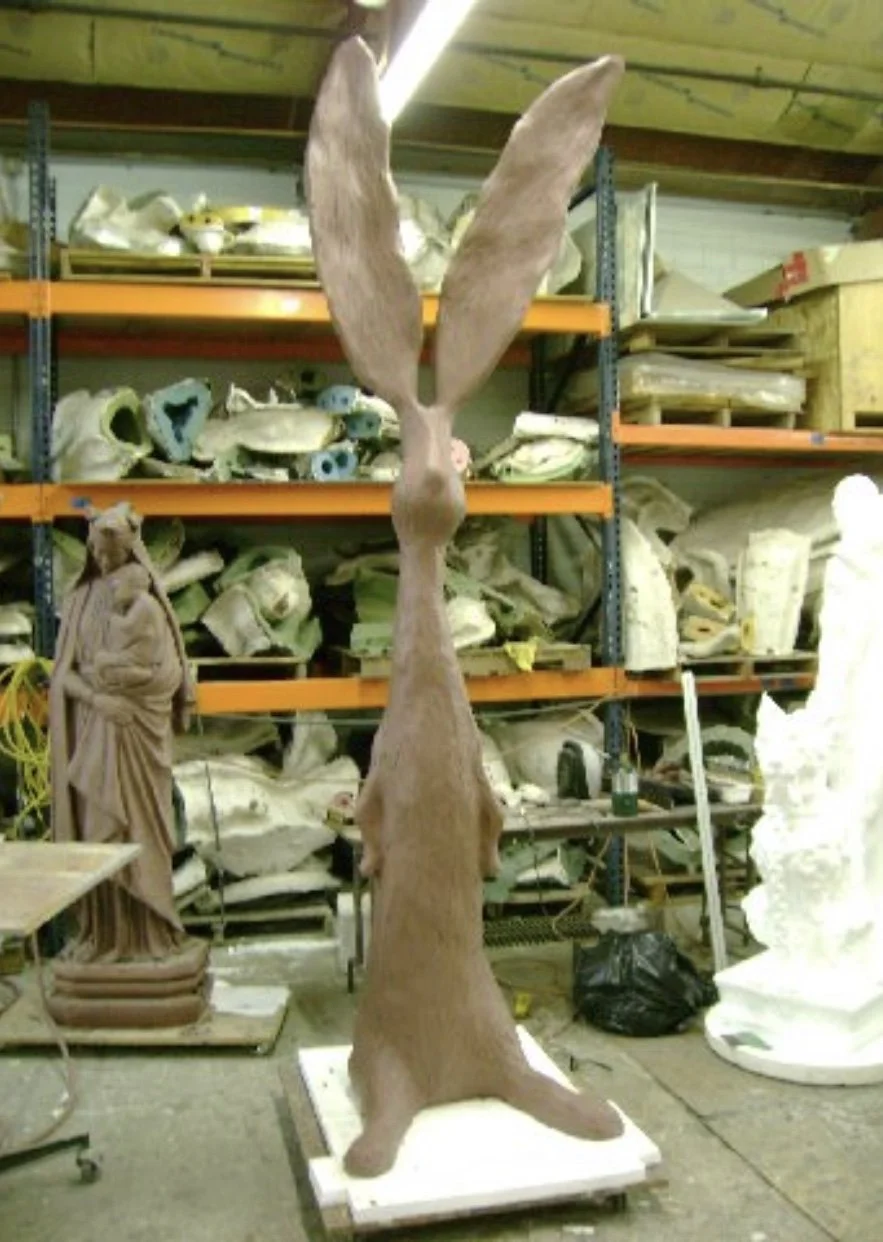
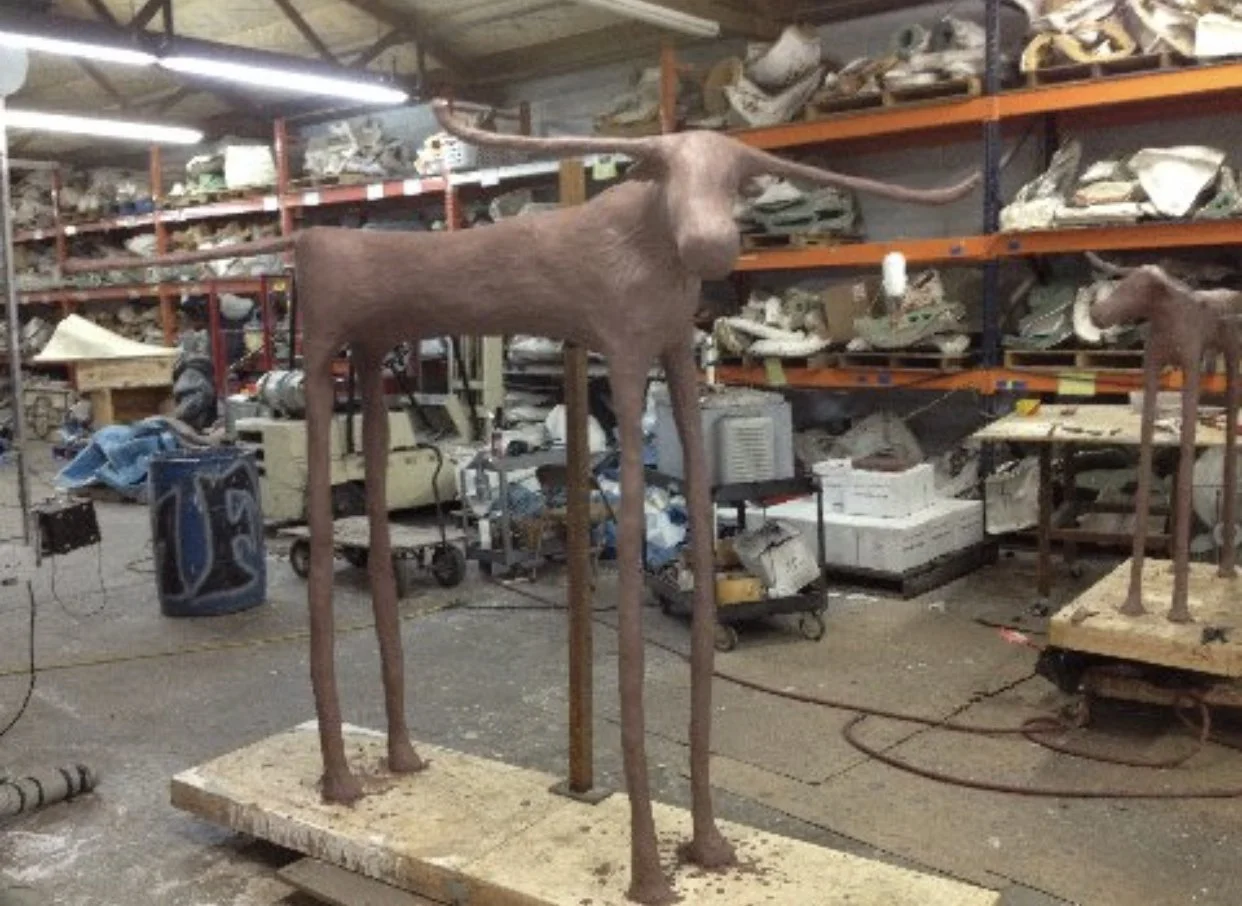
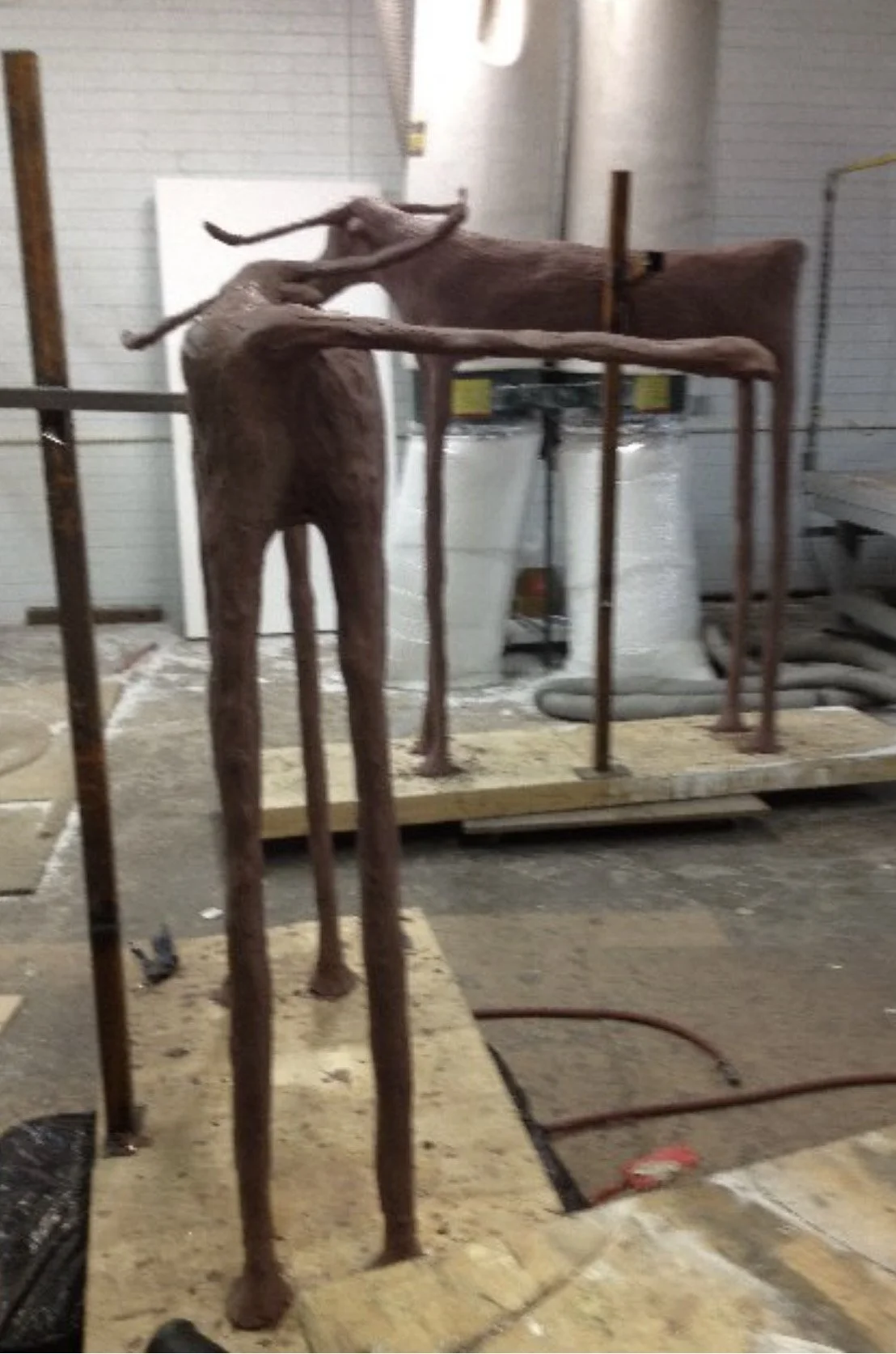
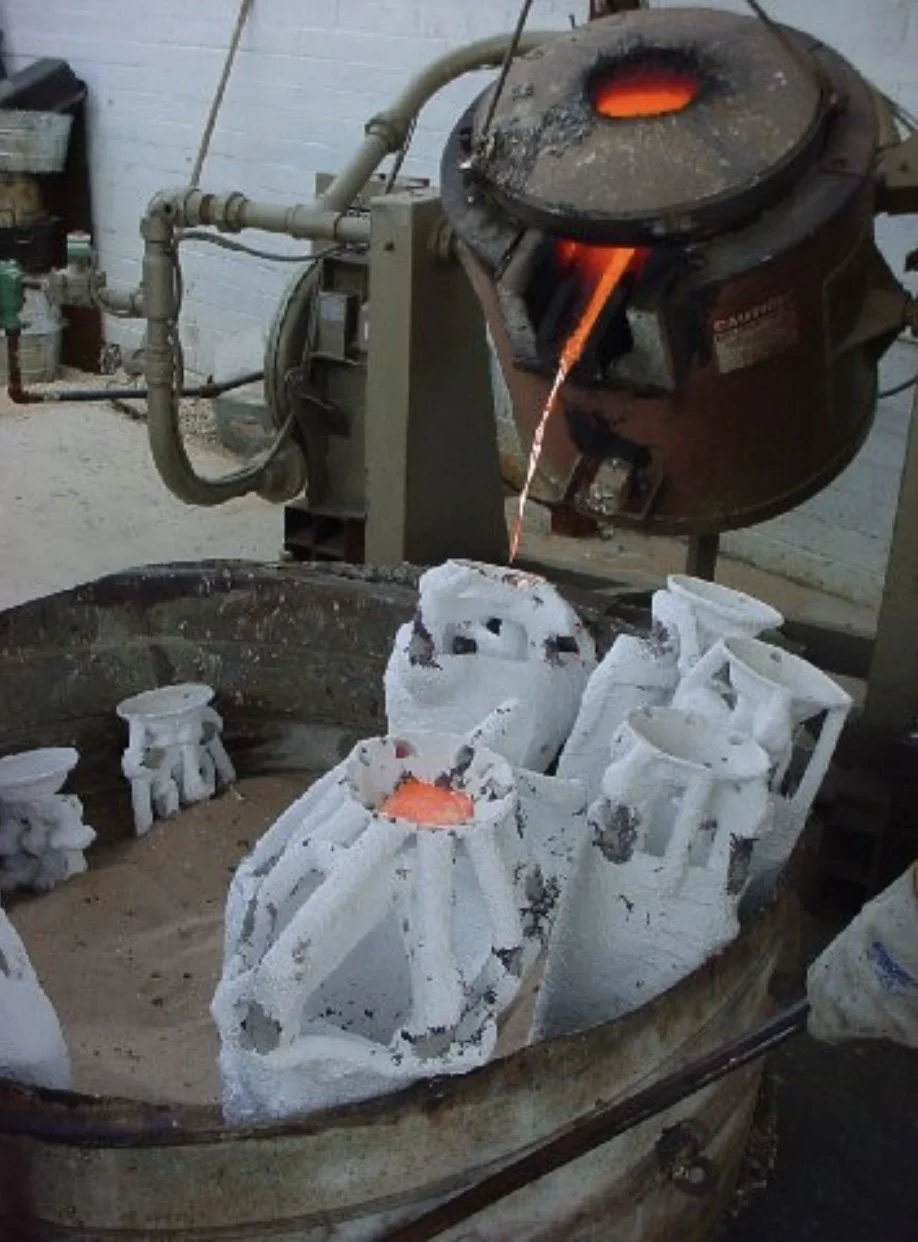
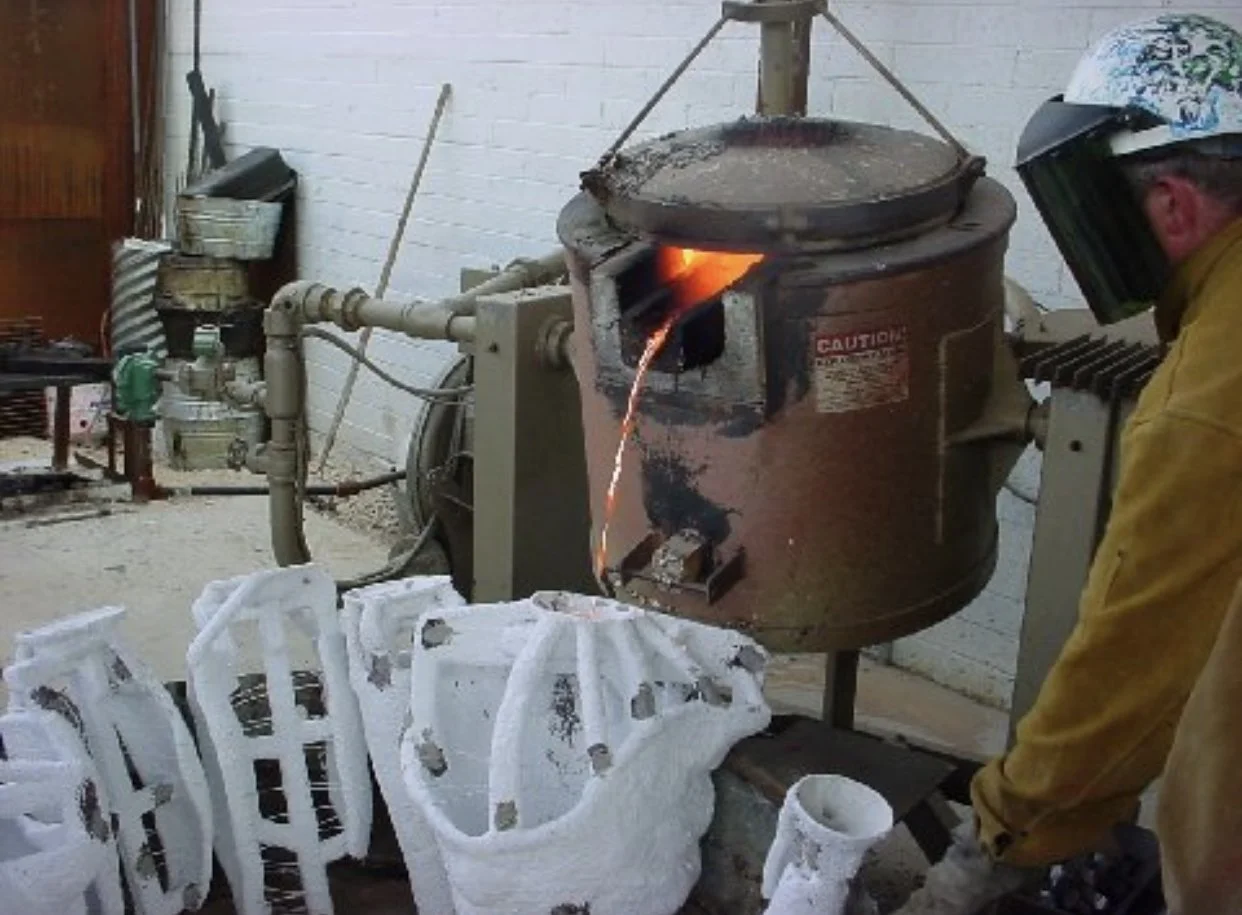
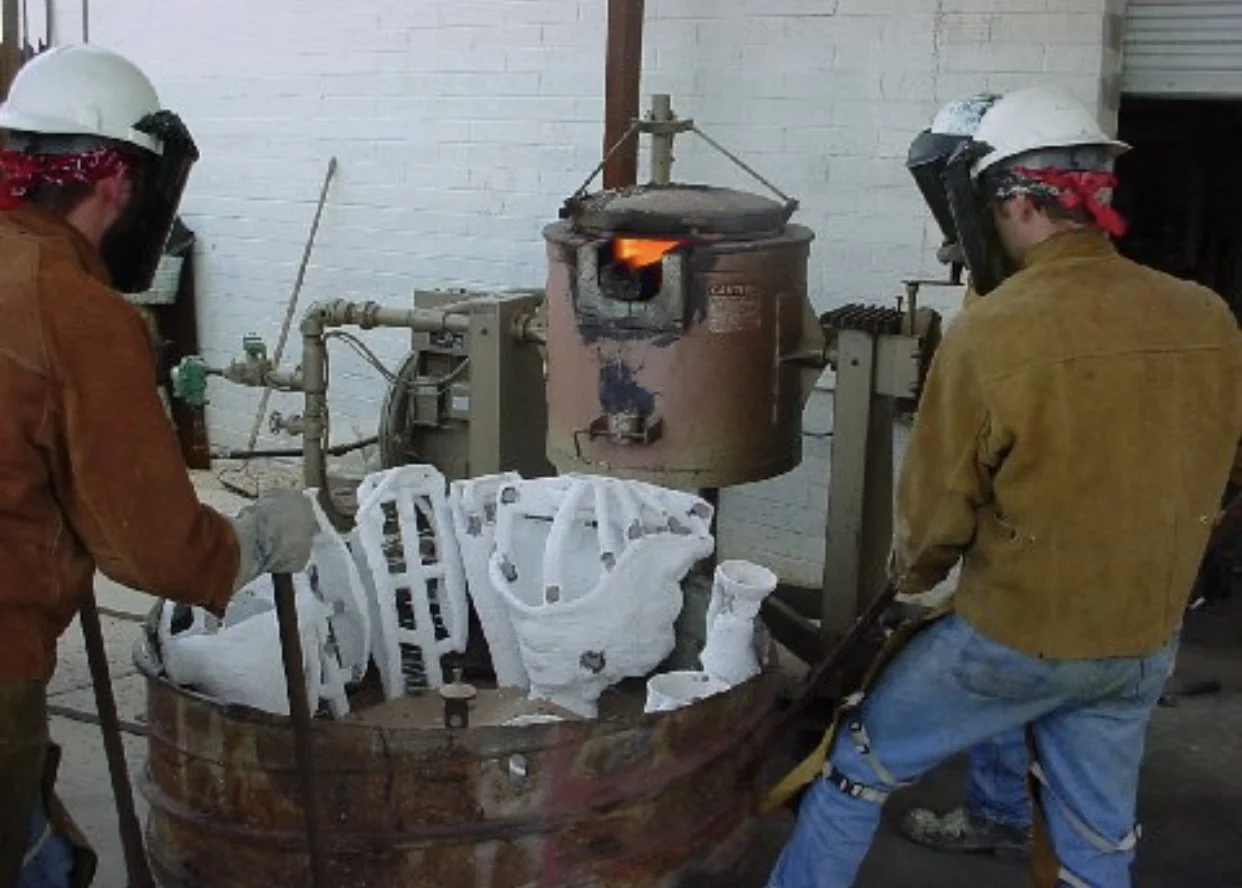
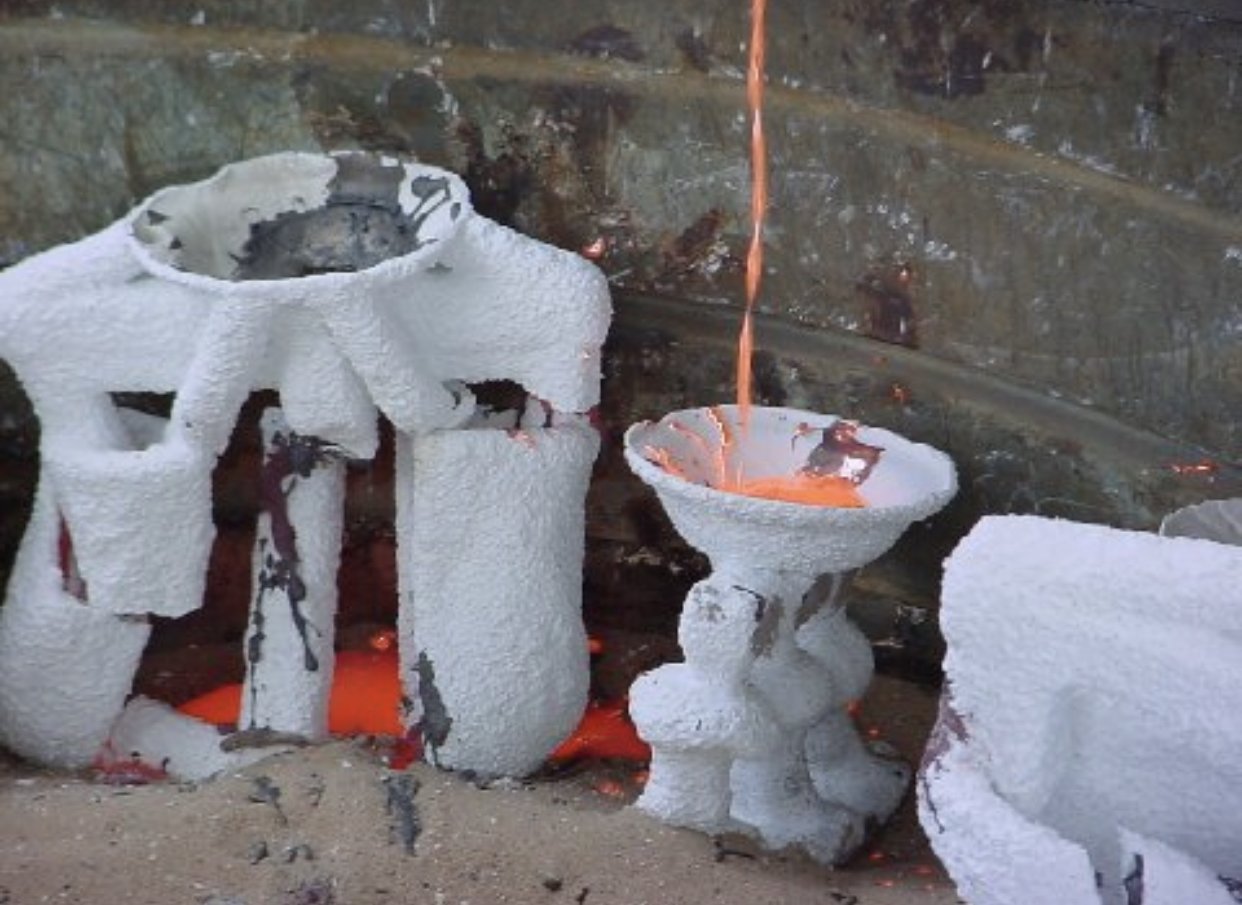
The Lost Wax Method in Process
Bronze does not begin in metal. It begins in touch, in the sculptor's hands shaping clay and then wax, coaxing form from a material as responsive as thought itself. This ancient process, known as cire perdue or lost wax casting, has been used for over five thousand years, from the ritual objects of ancient Benin to the monumental figures of Rodin. The method endures not out of nostalgia, but because nothing else produces what it produces.
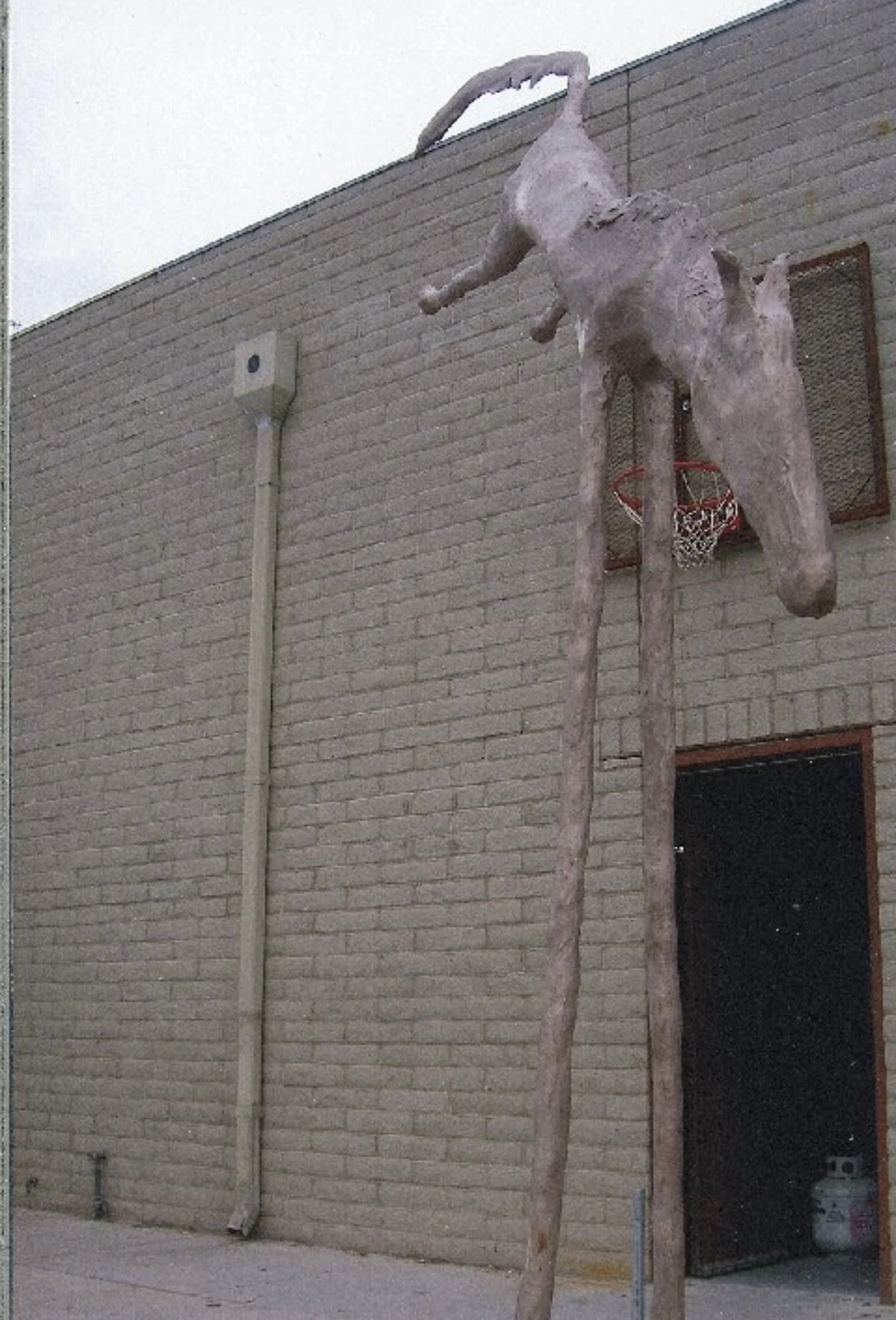
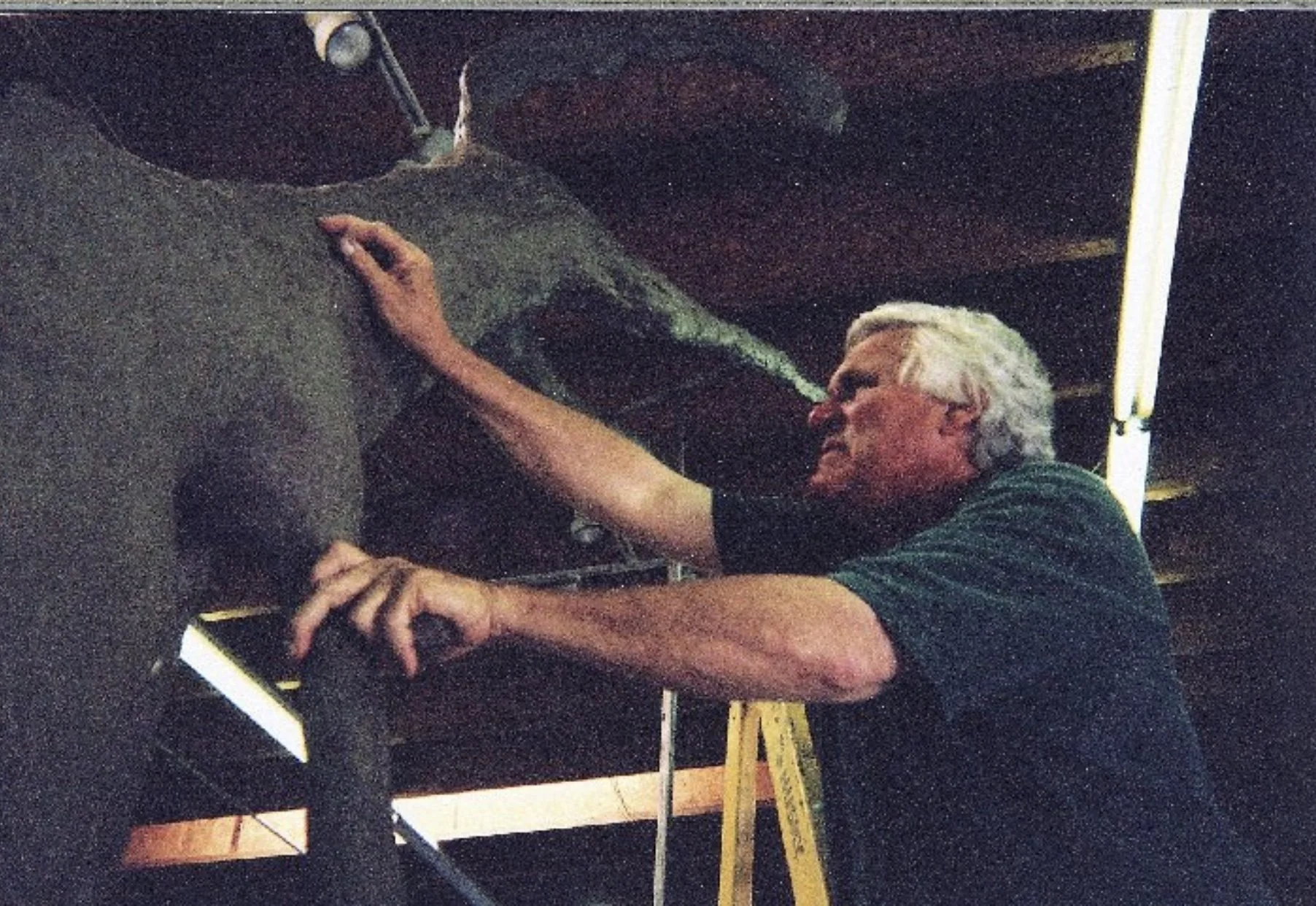
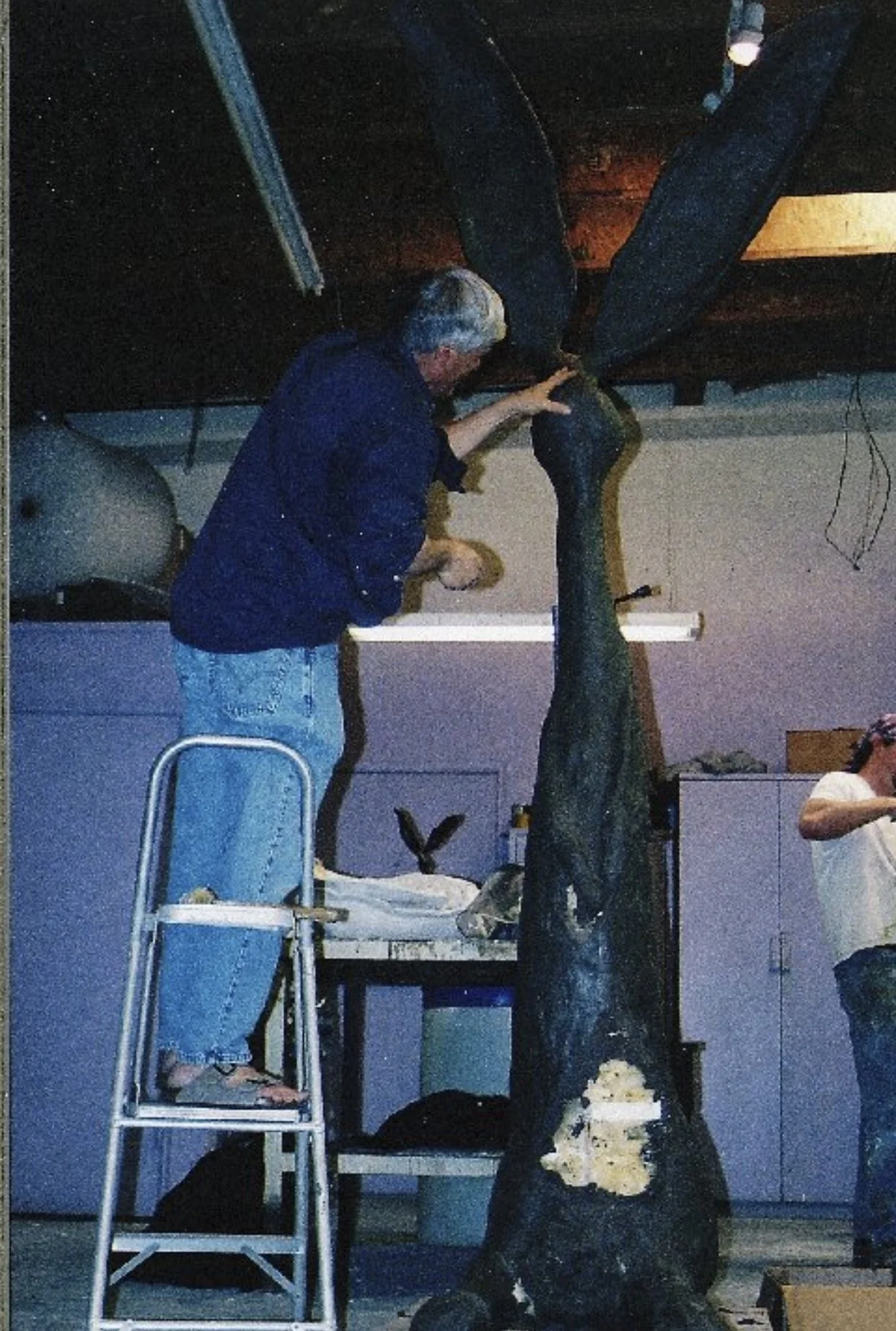
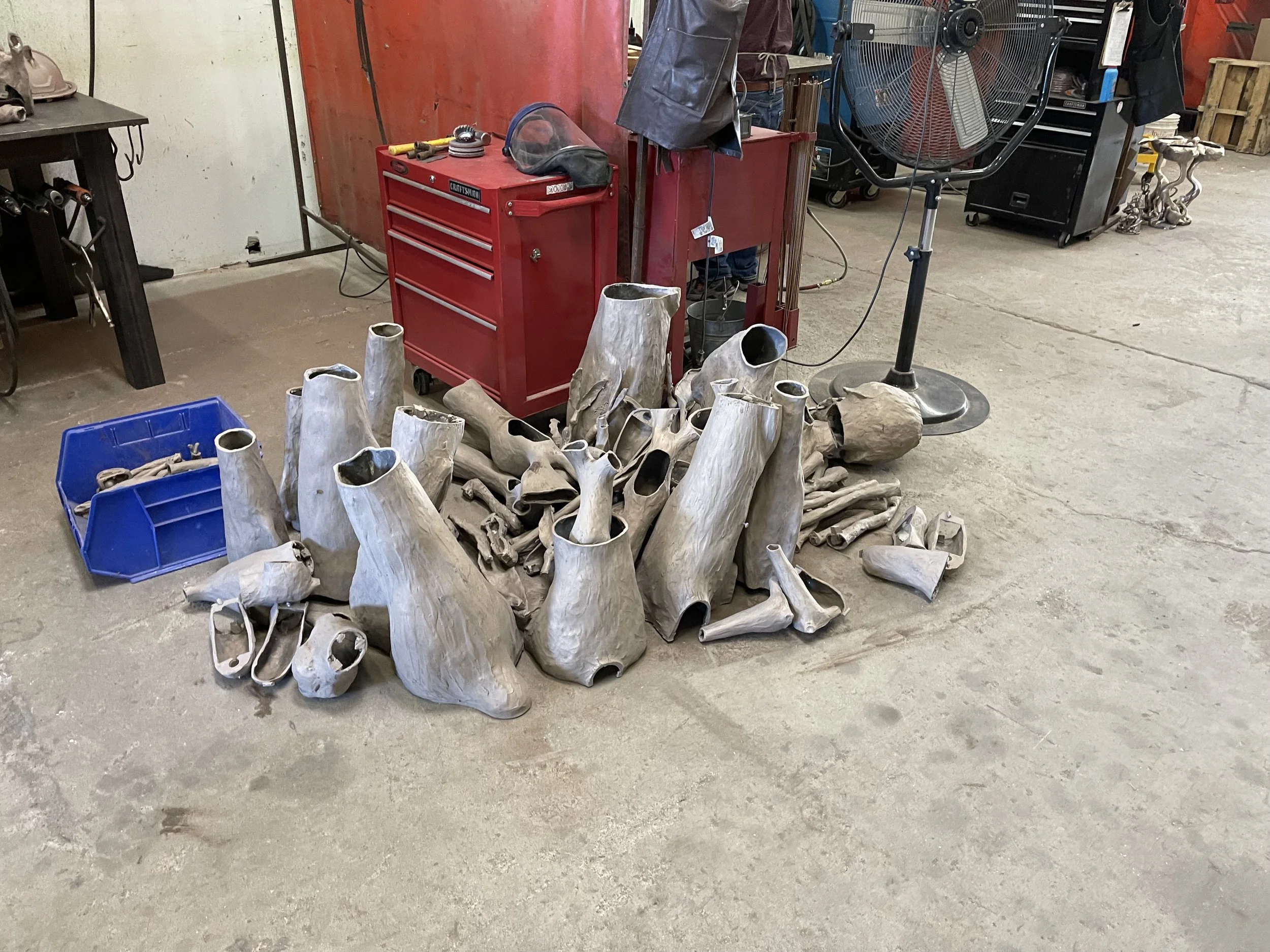
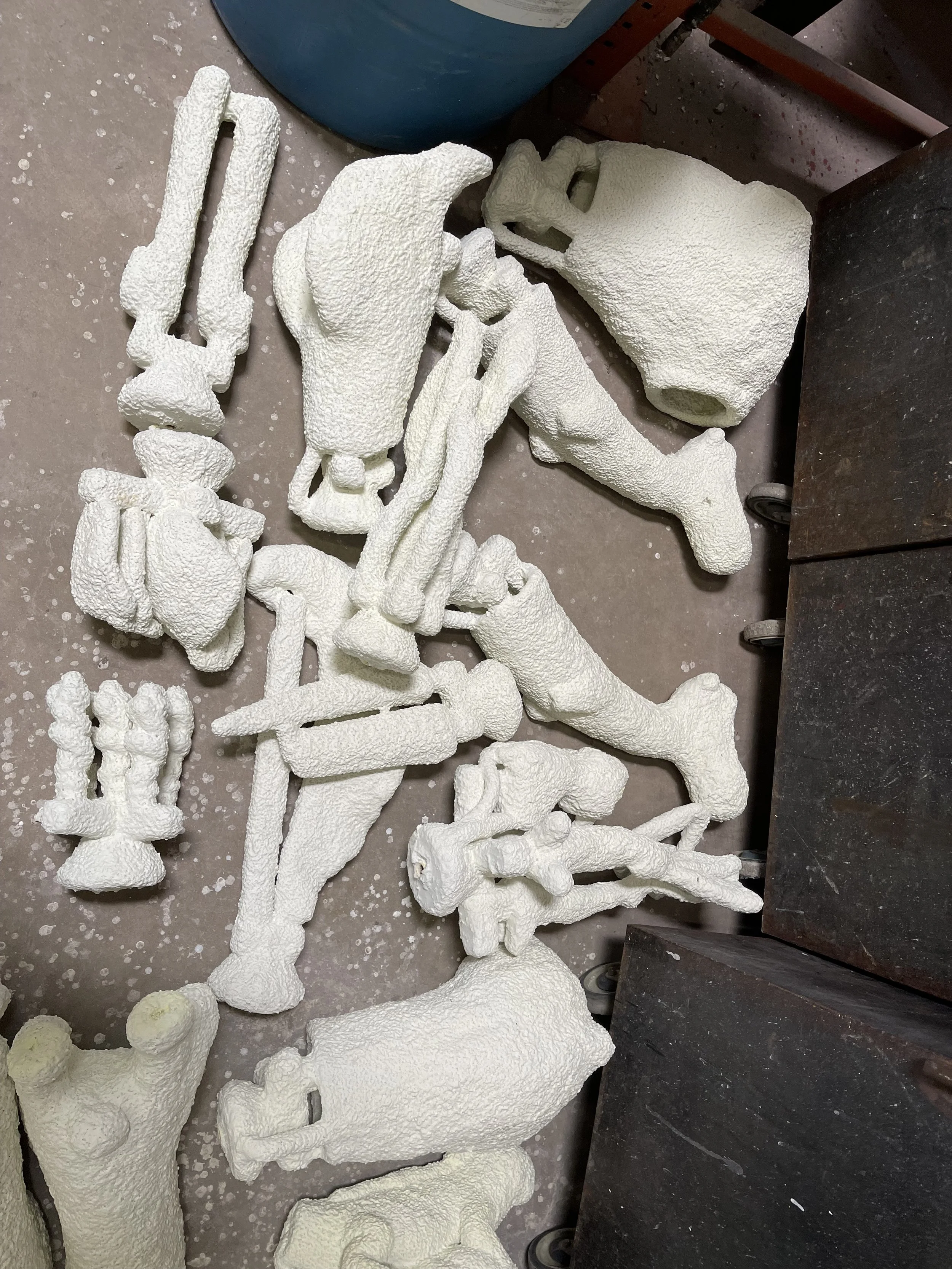
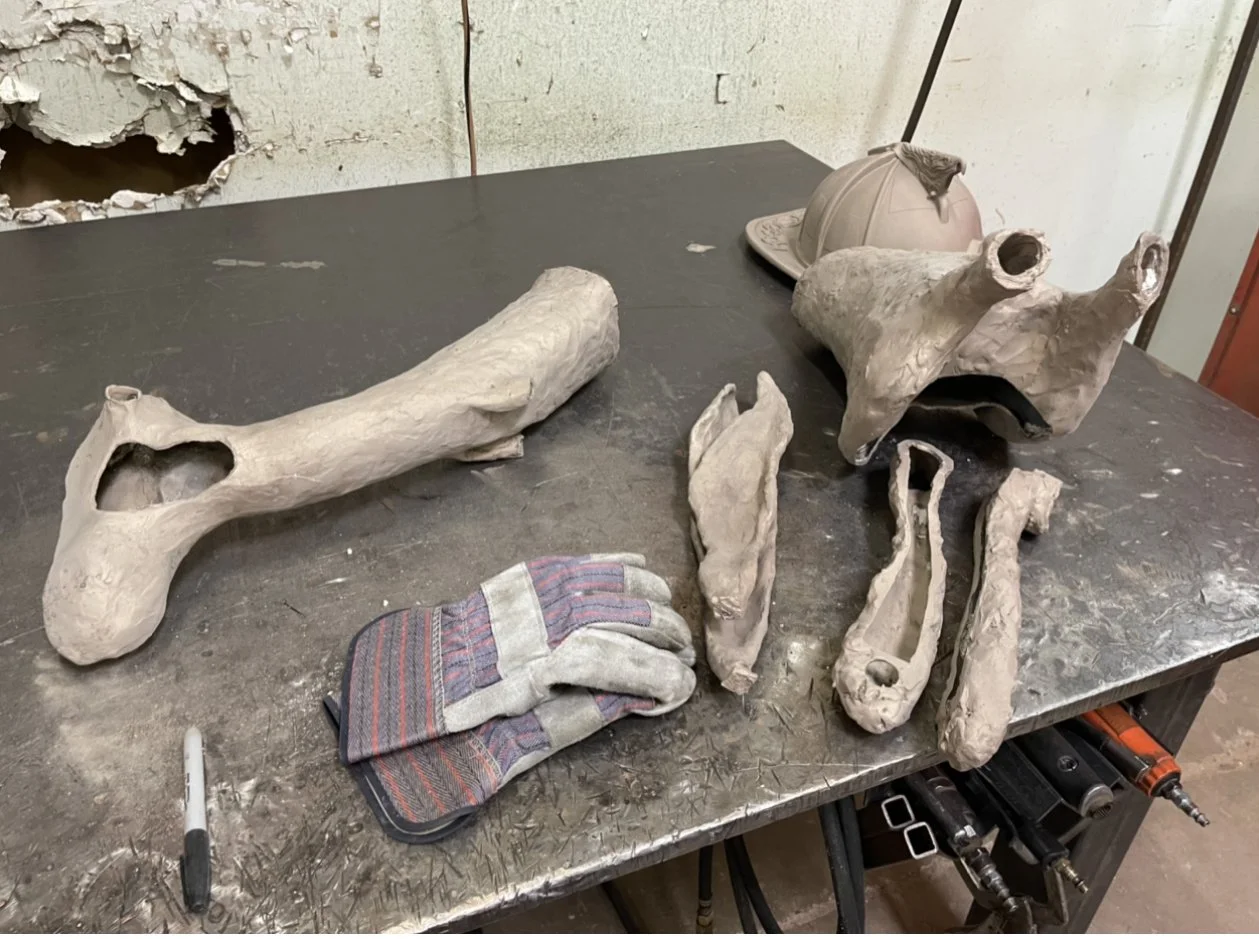
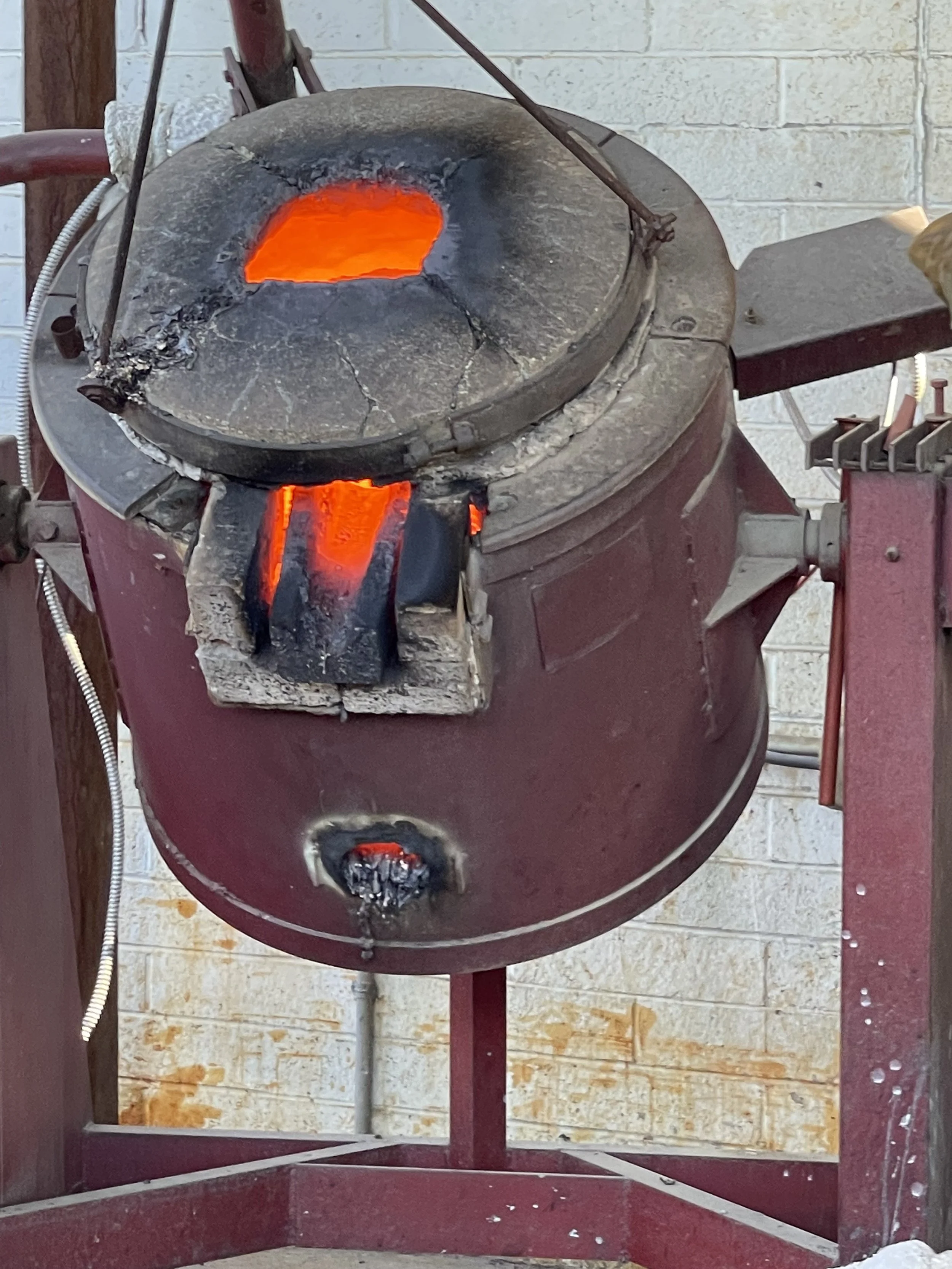
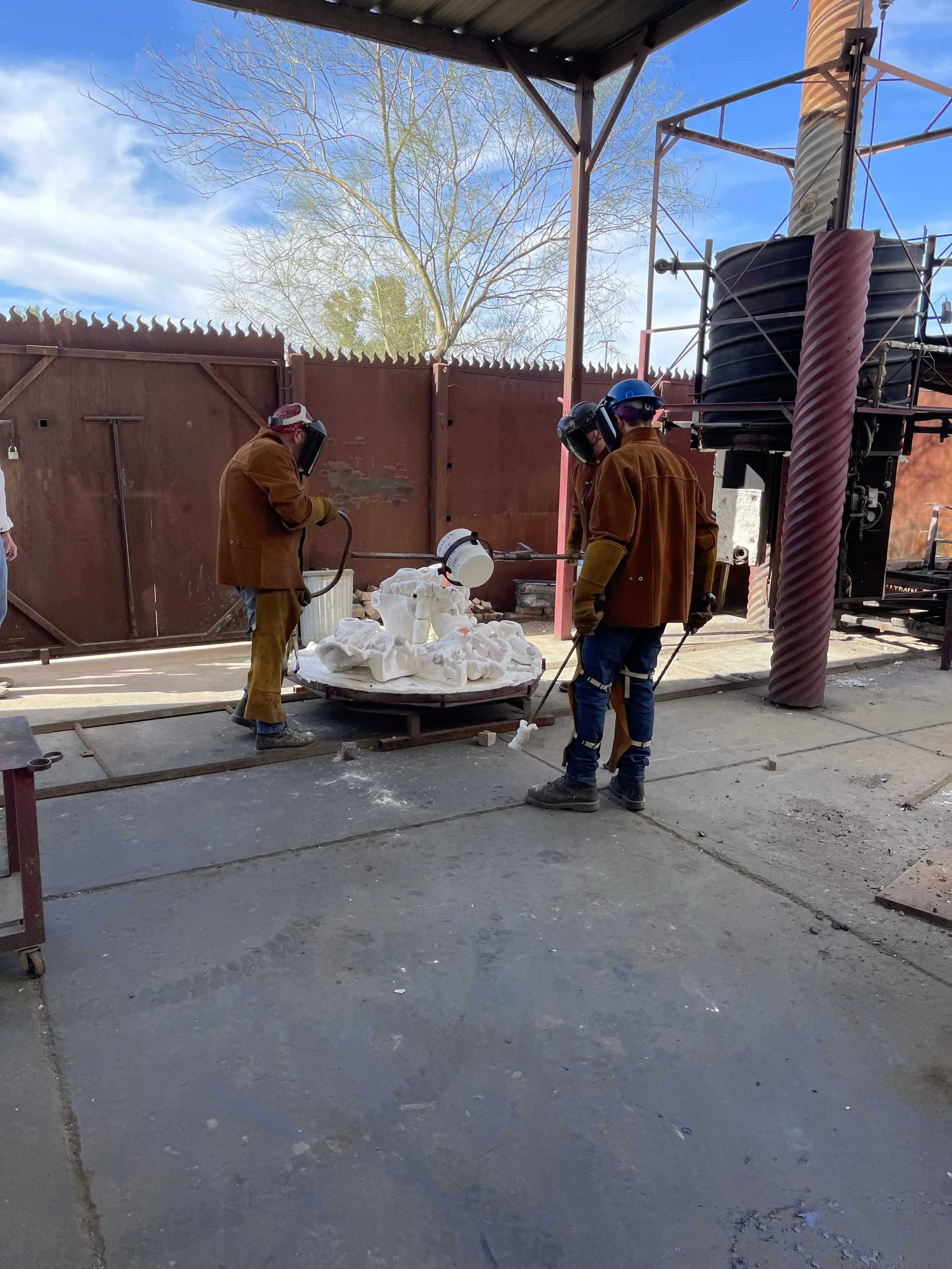
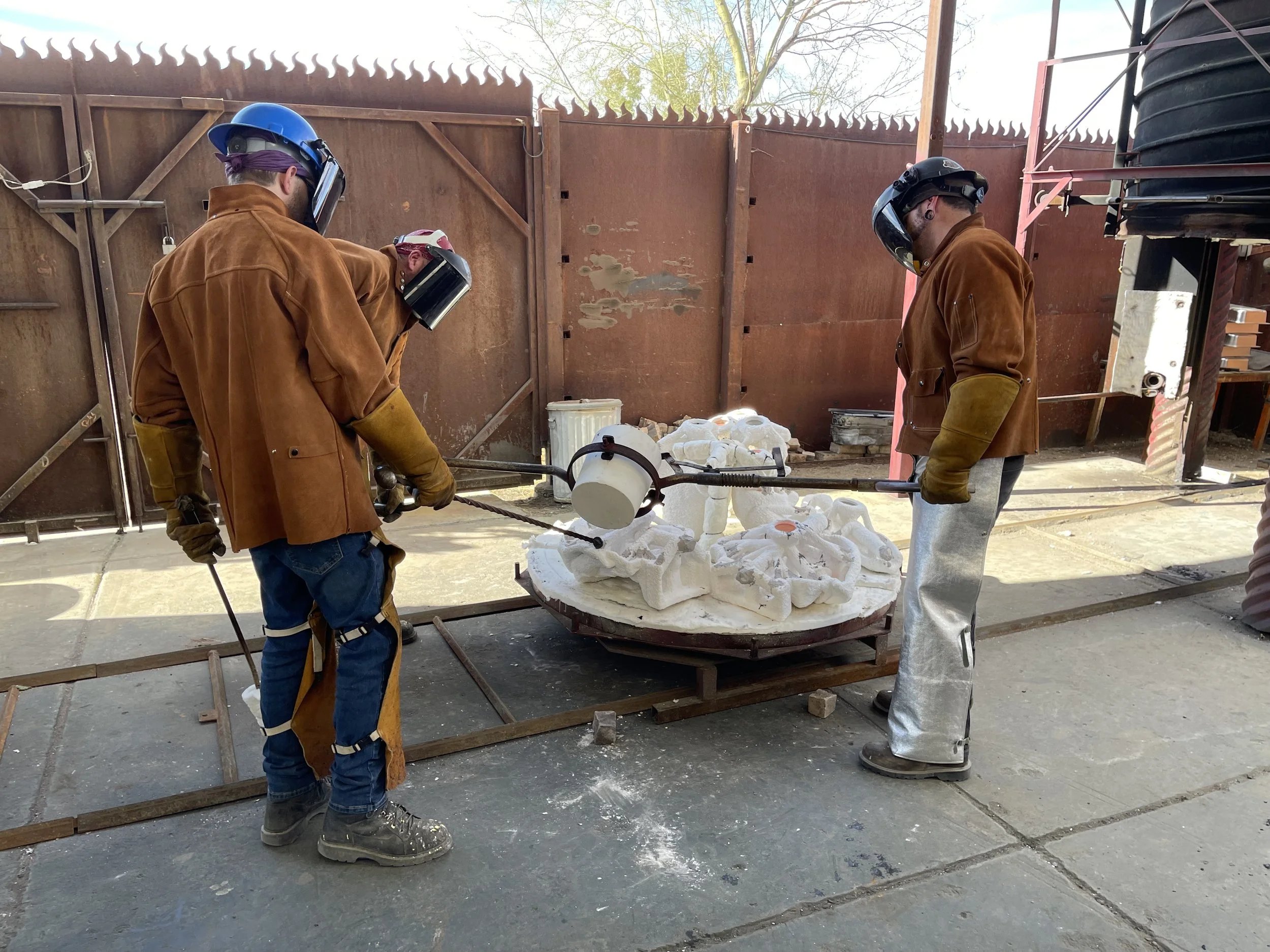
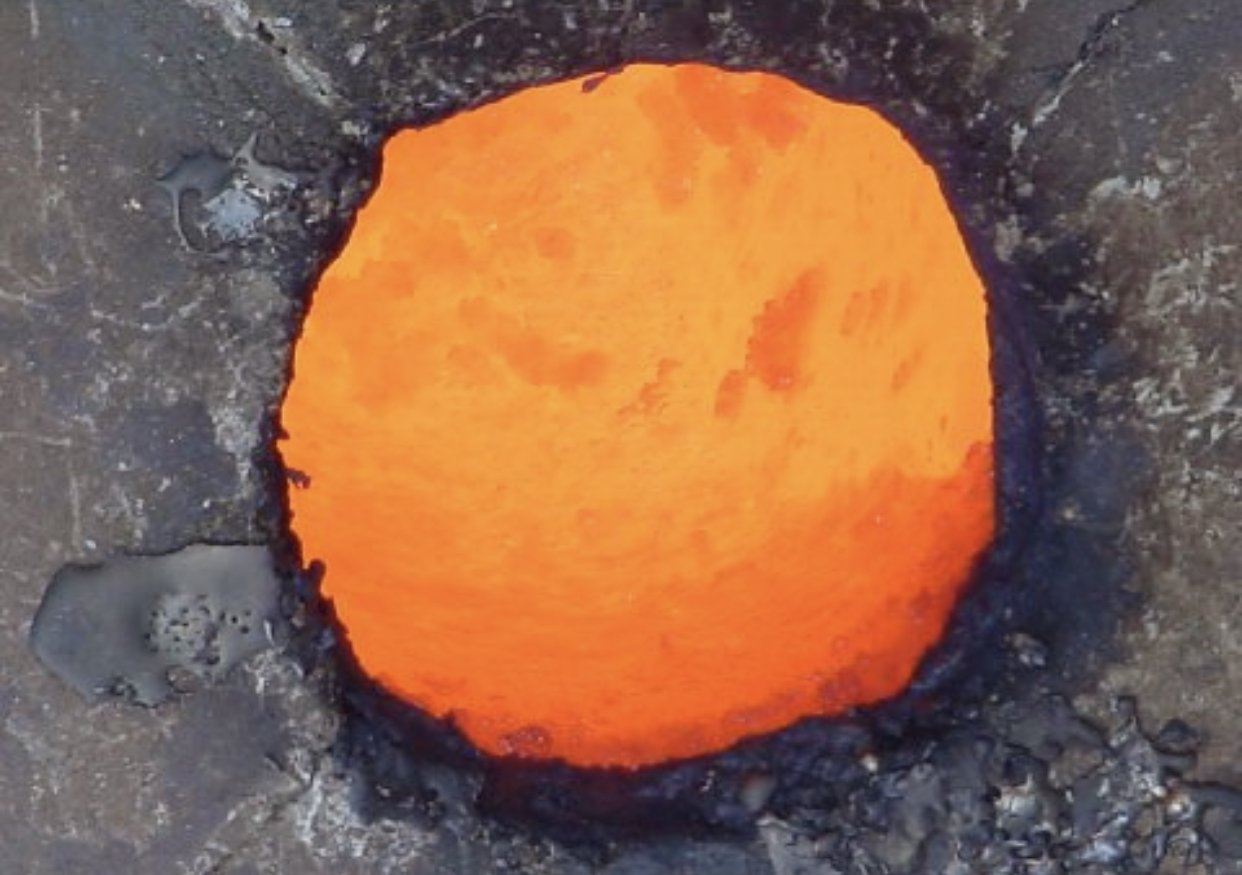
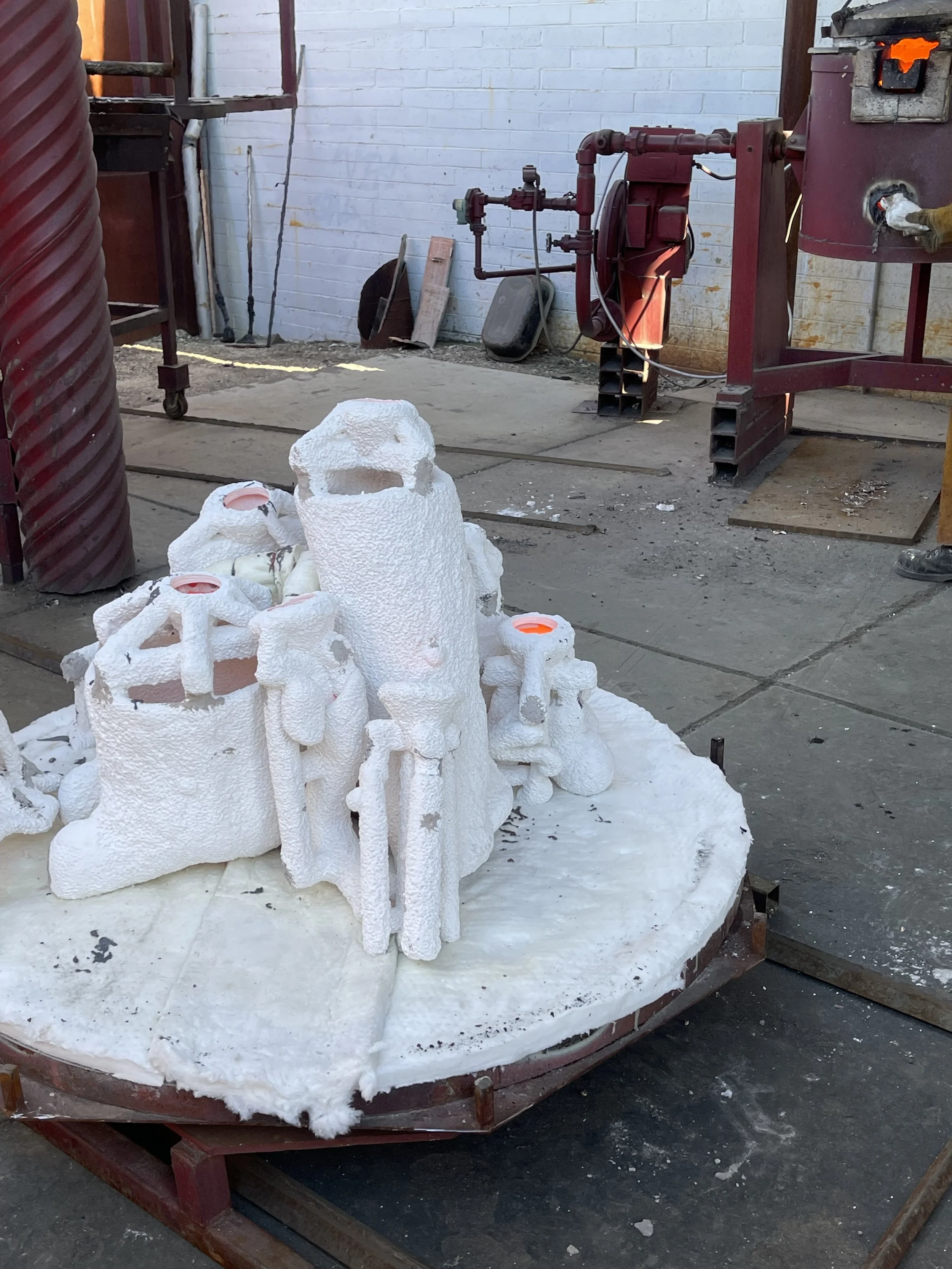
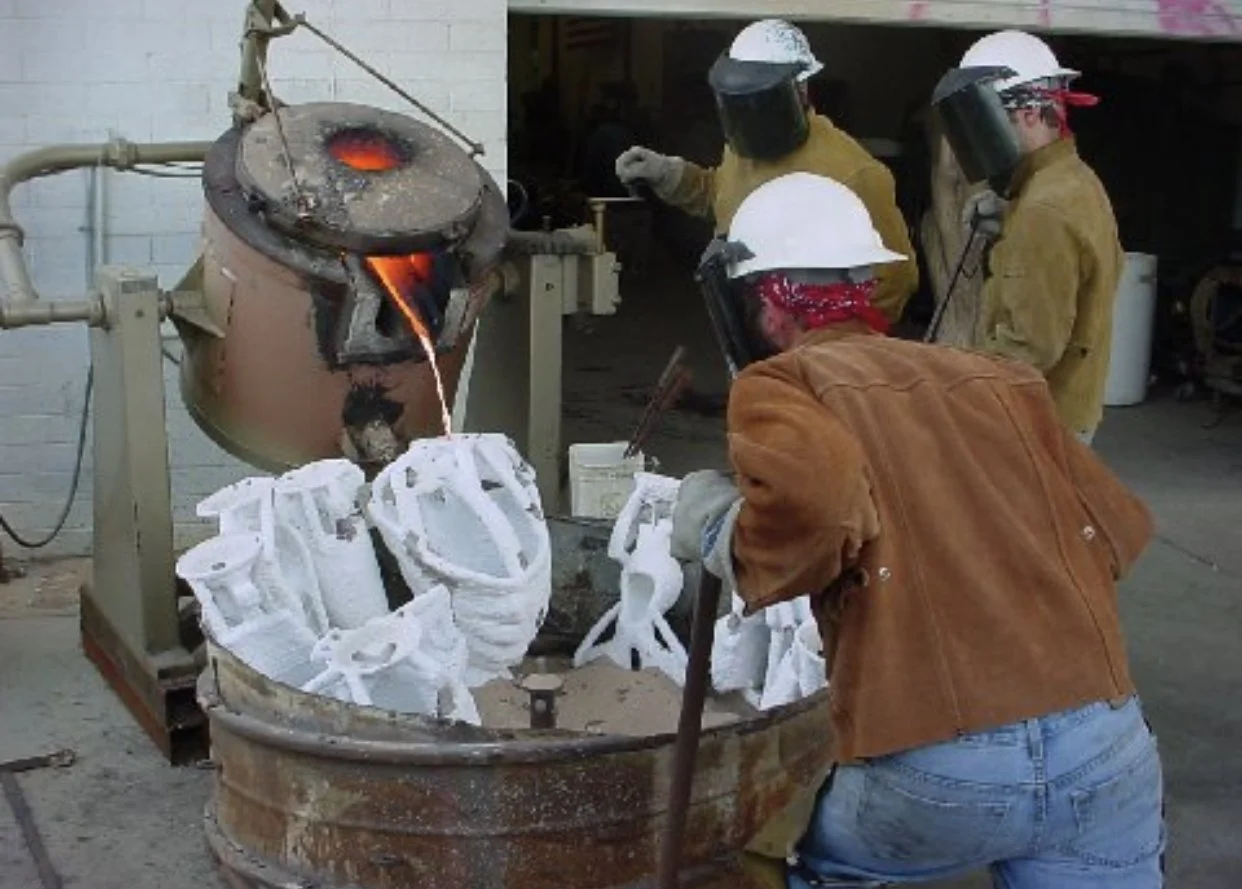
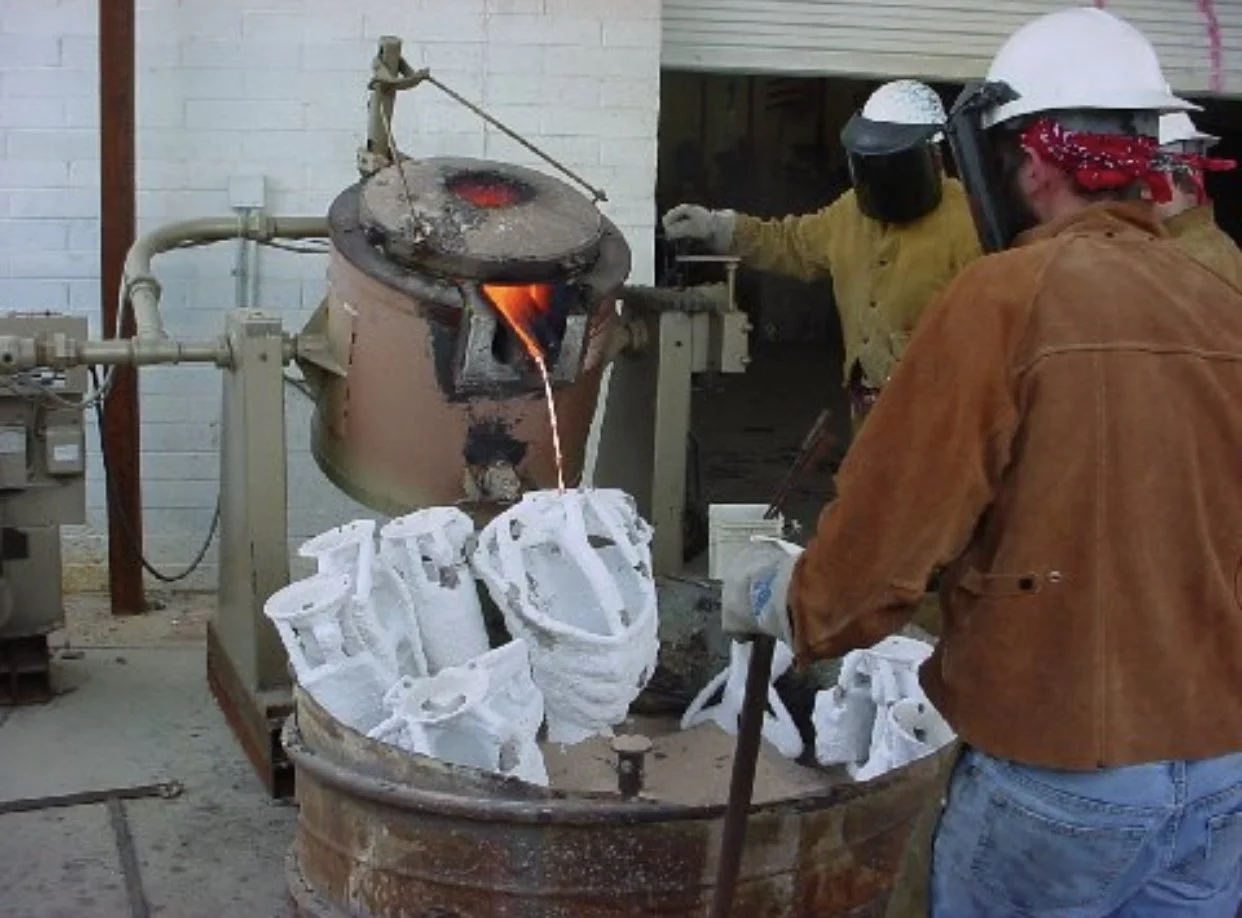
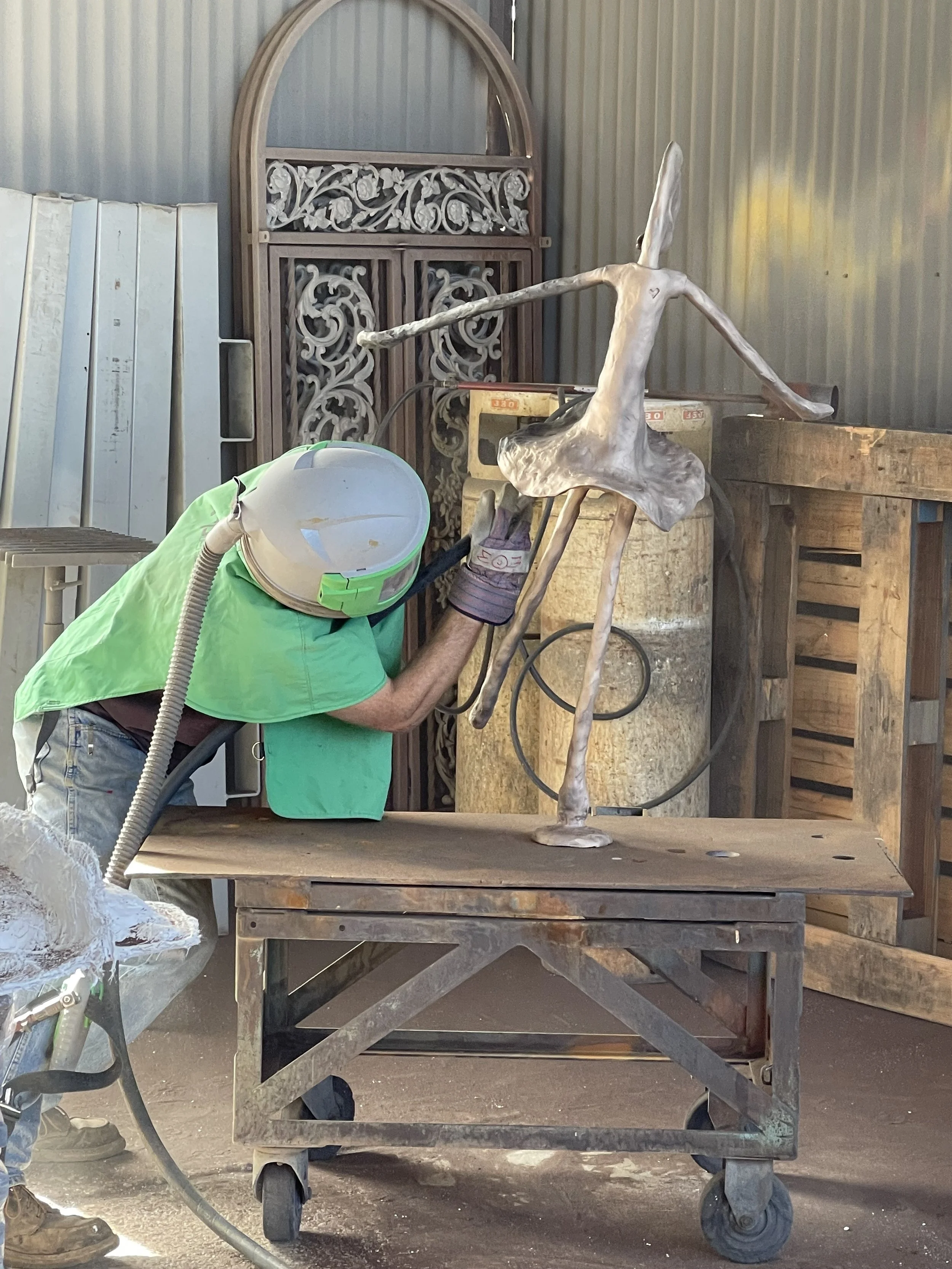
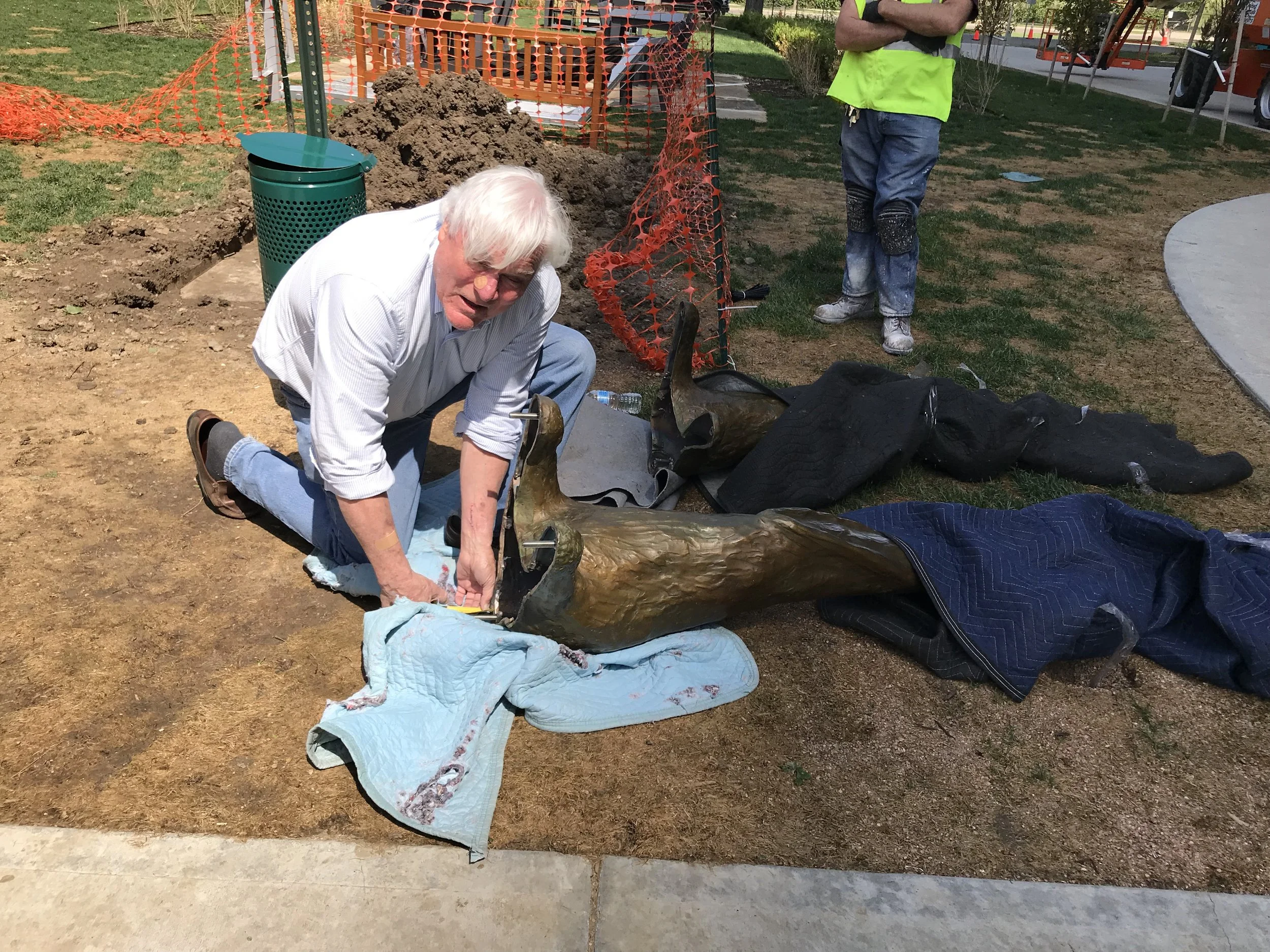
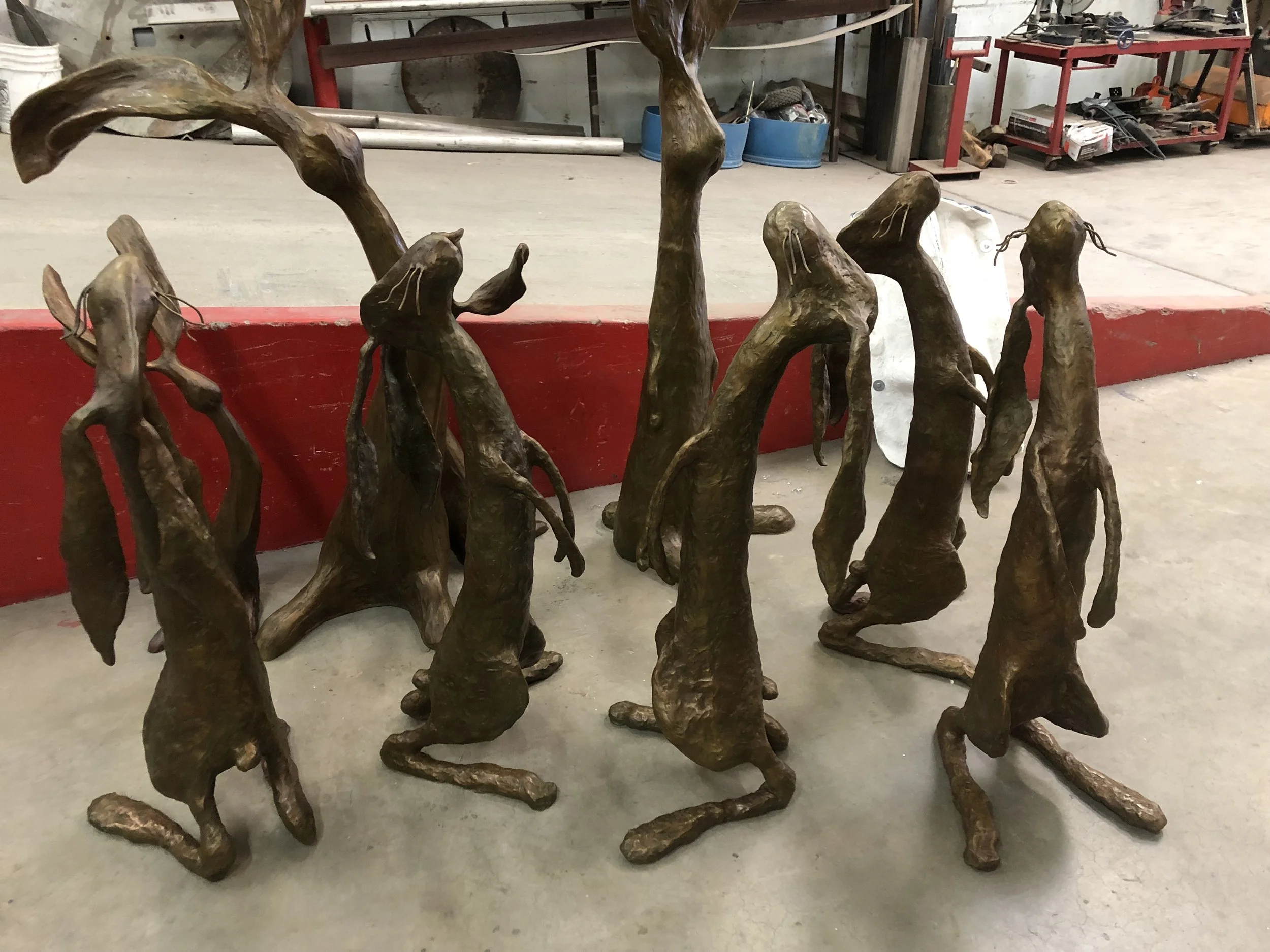
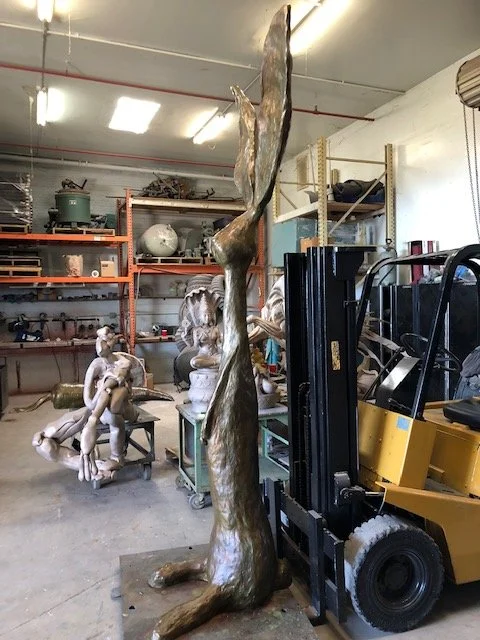
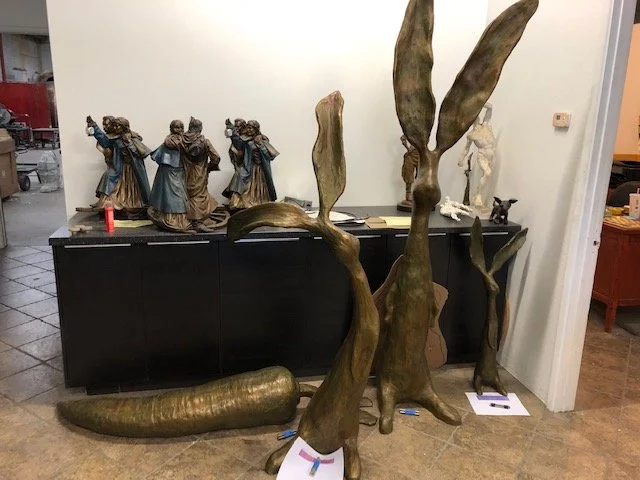
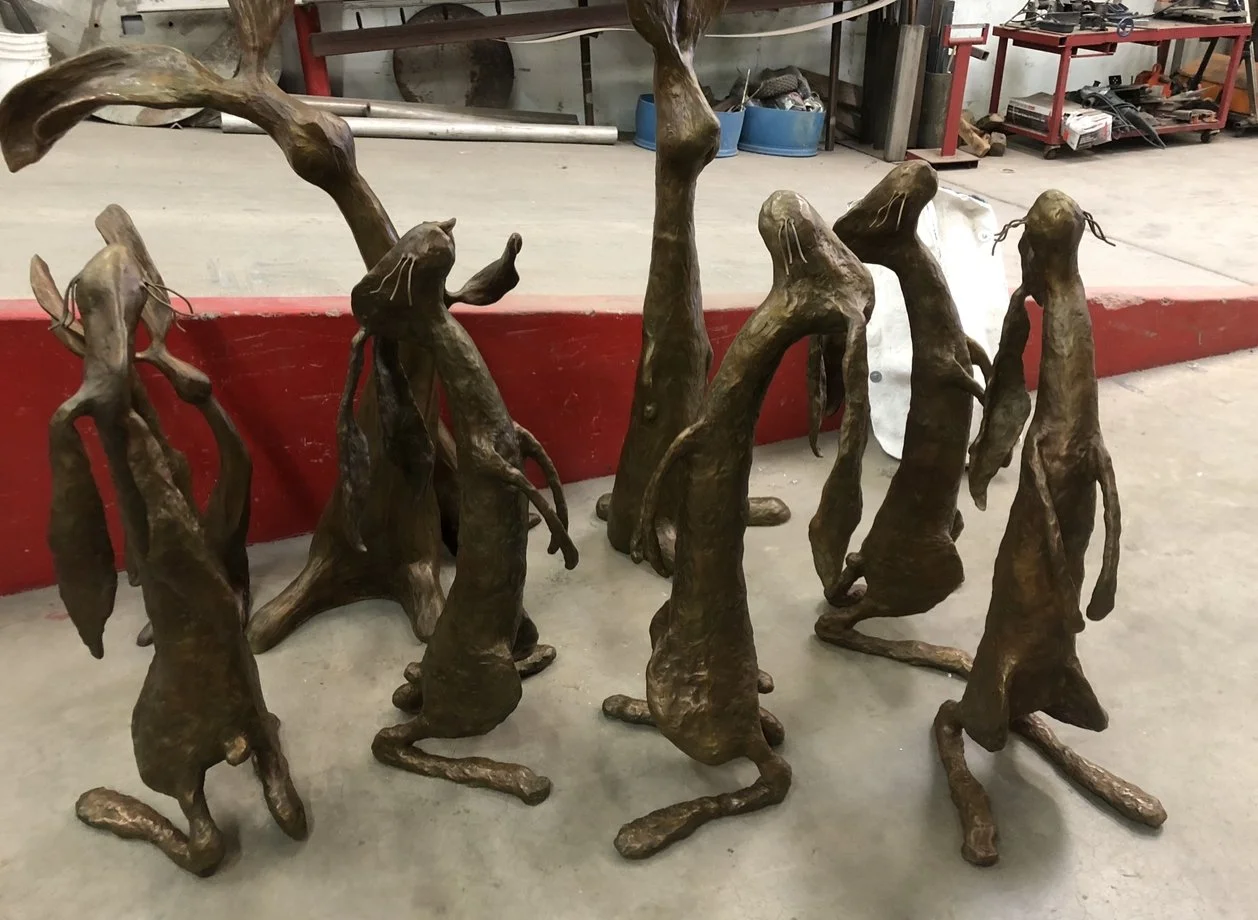
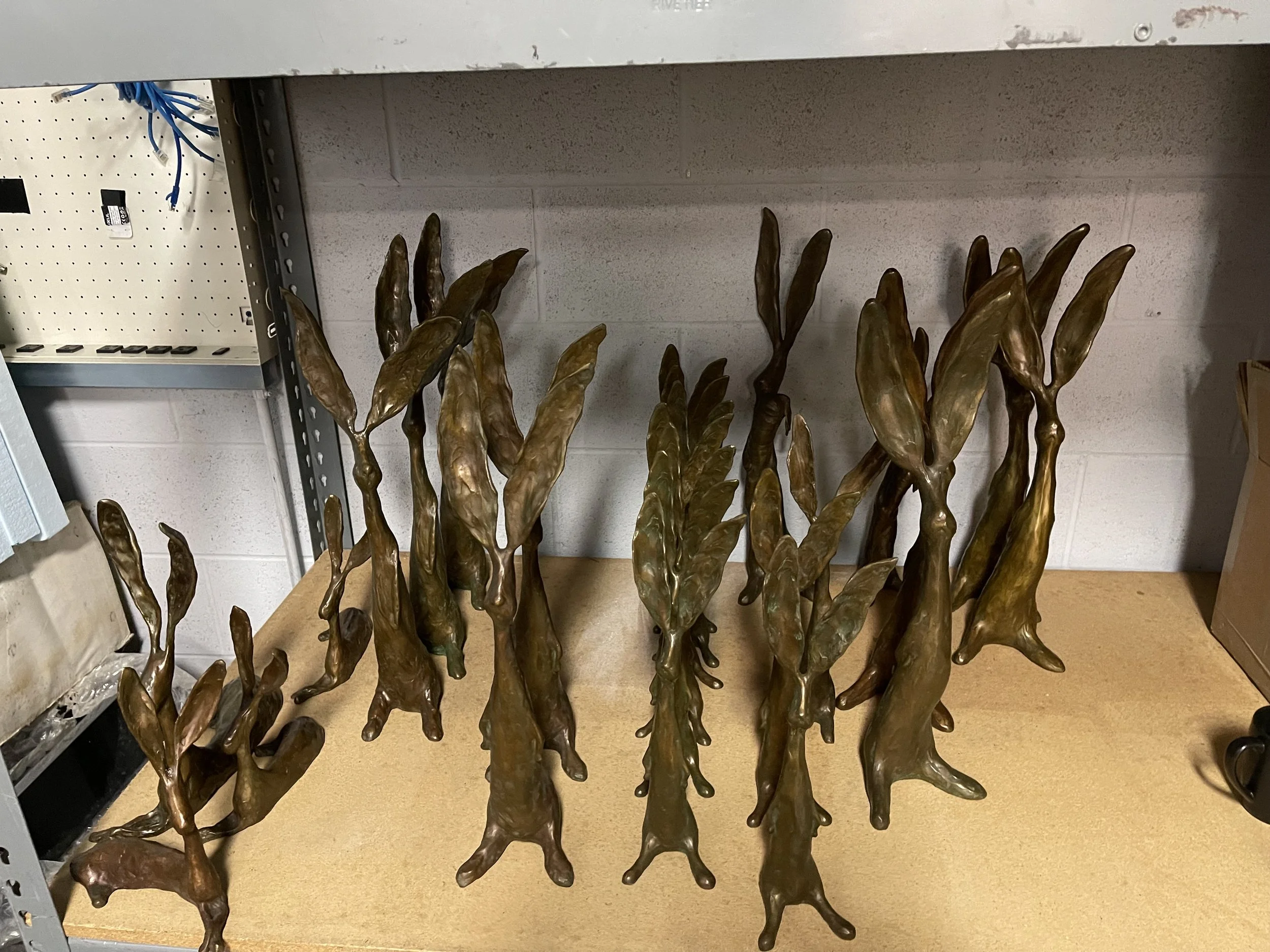
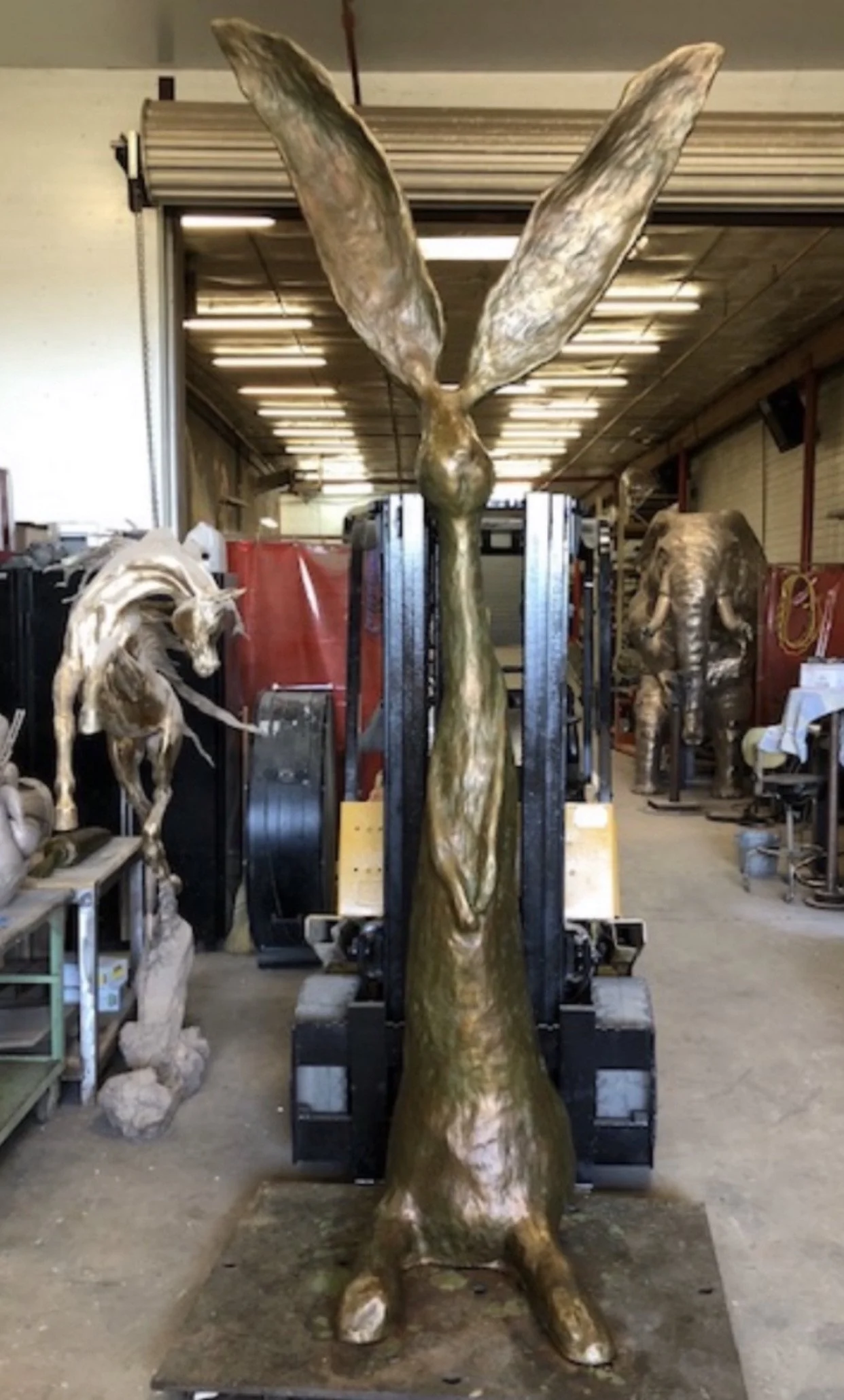
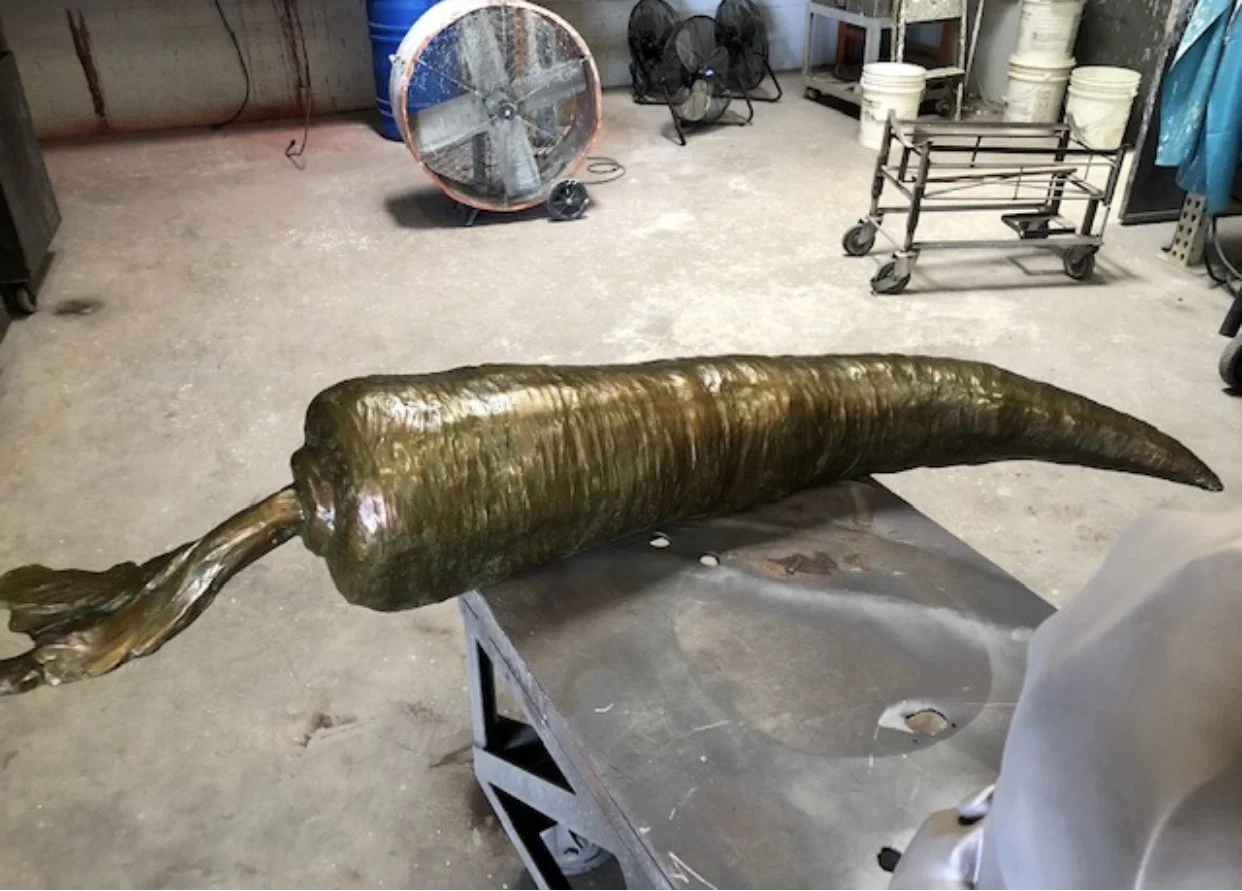
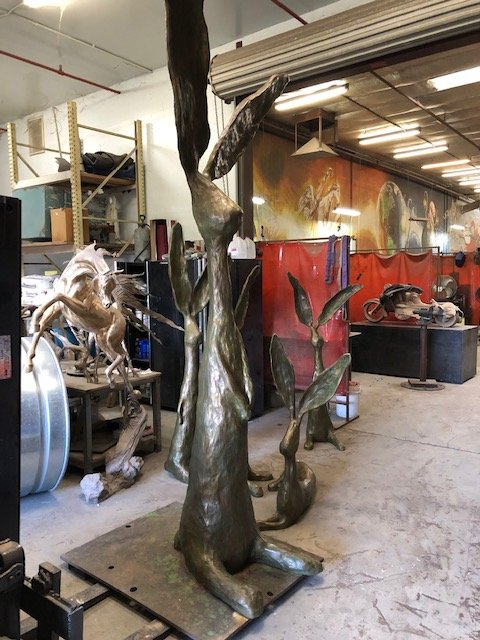
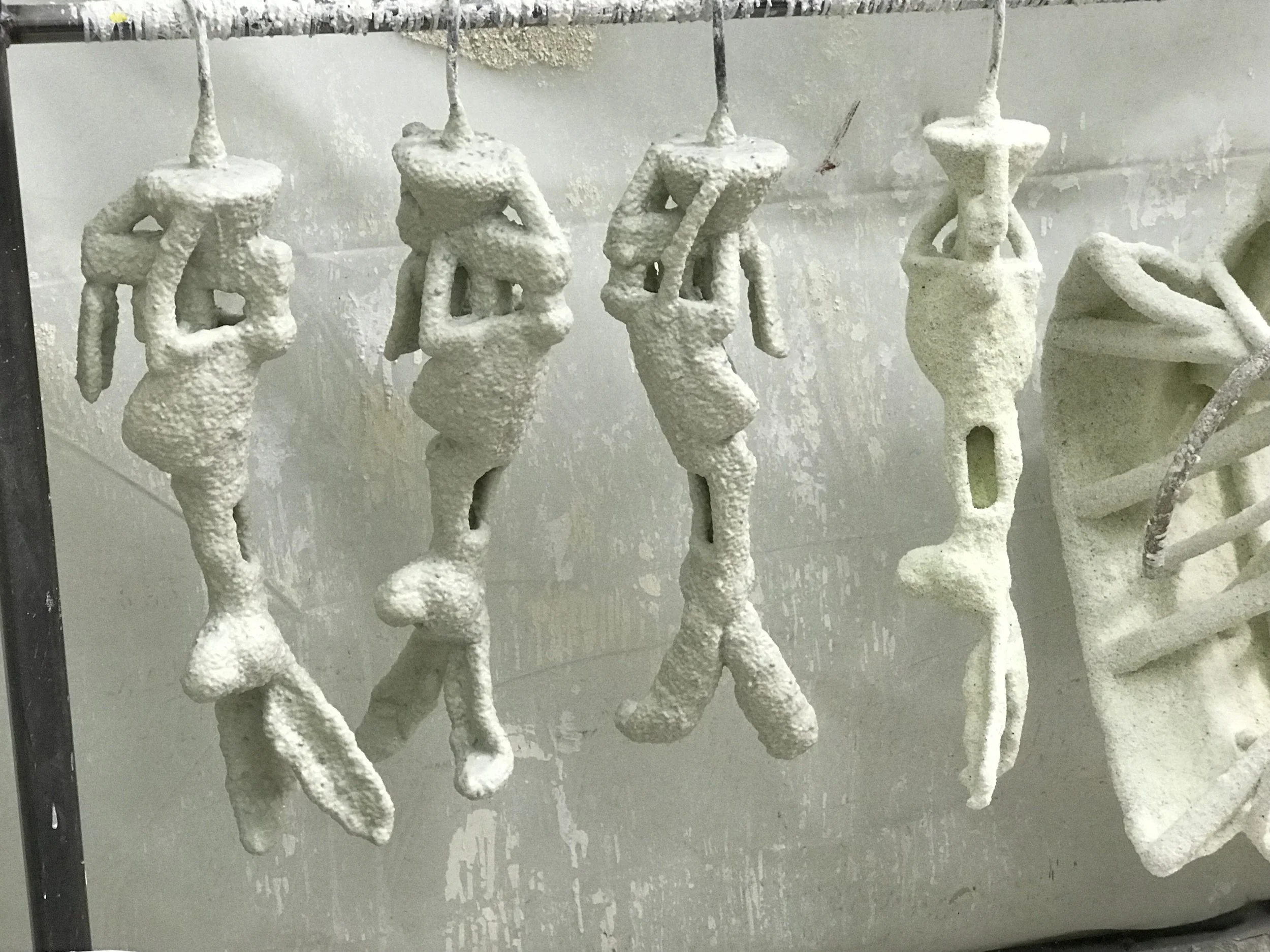
Upon completion of the sculpture/maquette a wax model is made, typically of silicone material, creating a negative of the maquette, into which the wax is poured. It is then encased in a ceramic shell and subjected to intense heat. The wax melts away, vanishing entirely, leaving behind a precise hollow that holds the memory of every mark, every decision, every intention. Molten bronze is poured into that void. When the shell is broken away, the metal has taken on exactly what the wax once was. In enlarging, or reducing the maquette in size, depending on the piece, Budish utilizes traditional point up technique, he re-sculpts the piece to the desired size creating in essence a new original, and in some cases creates a digital enlargement, or reduction and re-sculpts the piece robotically.
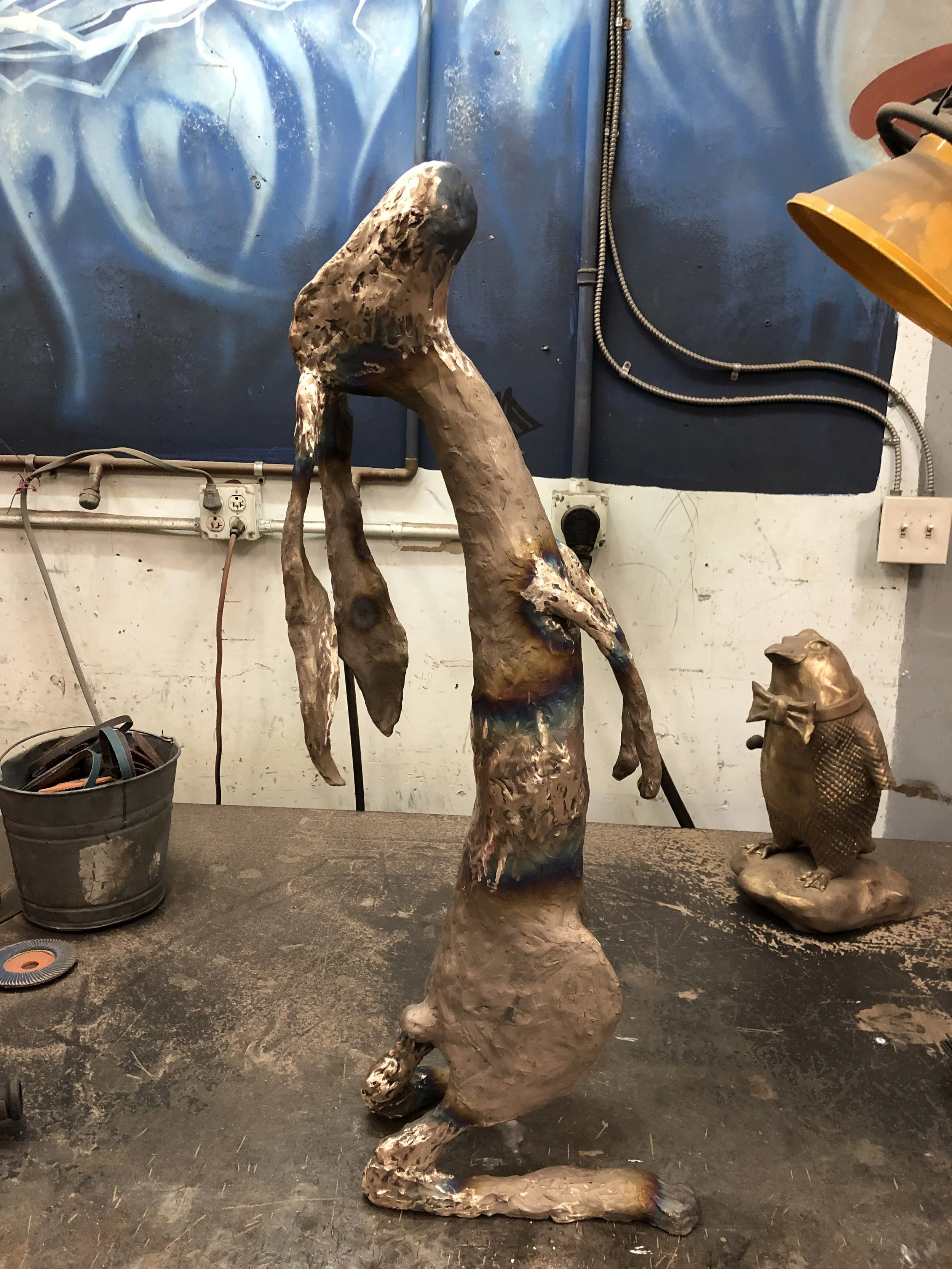
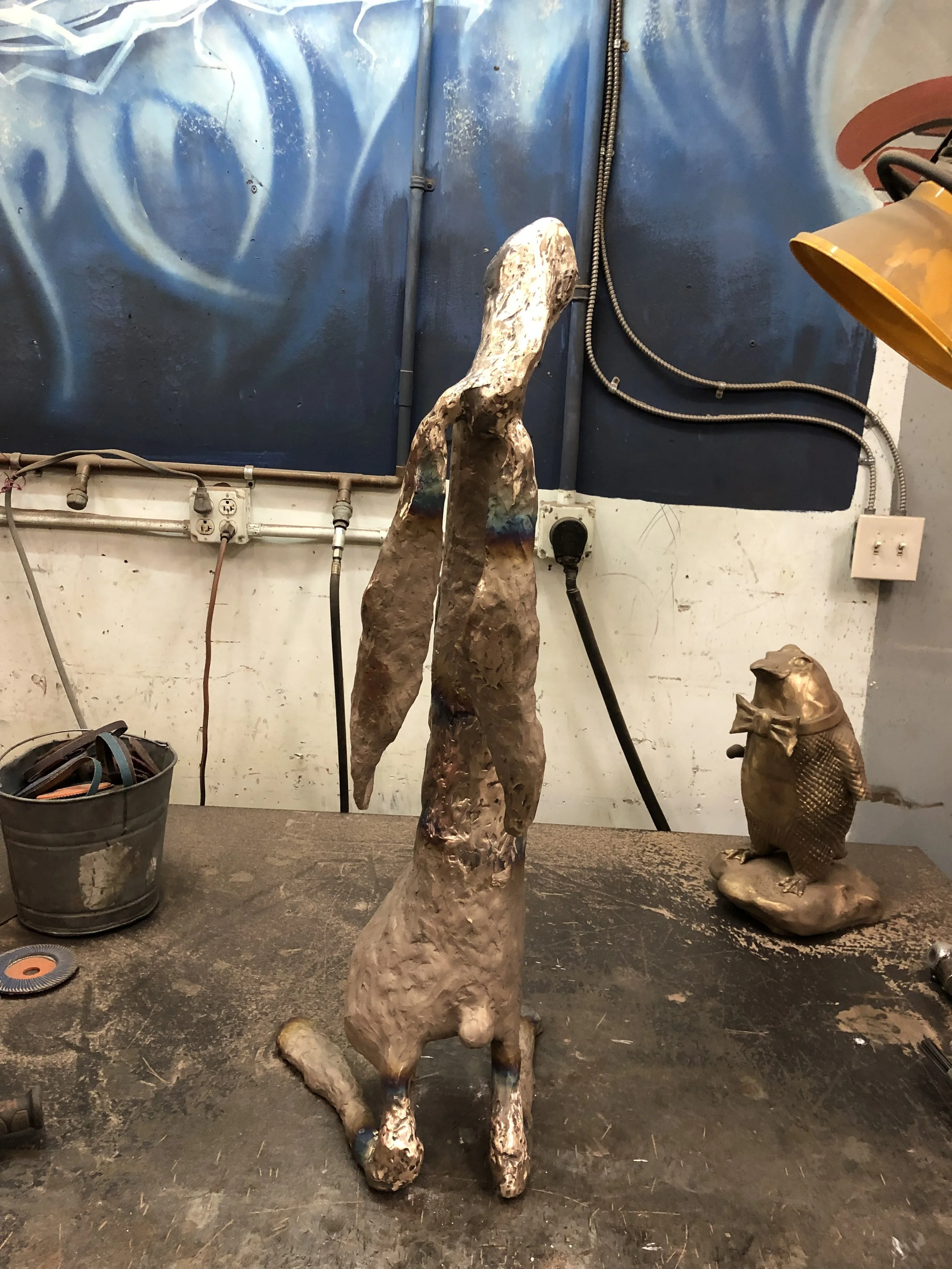
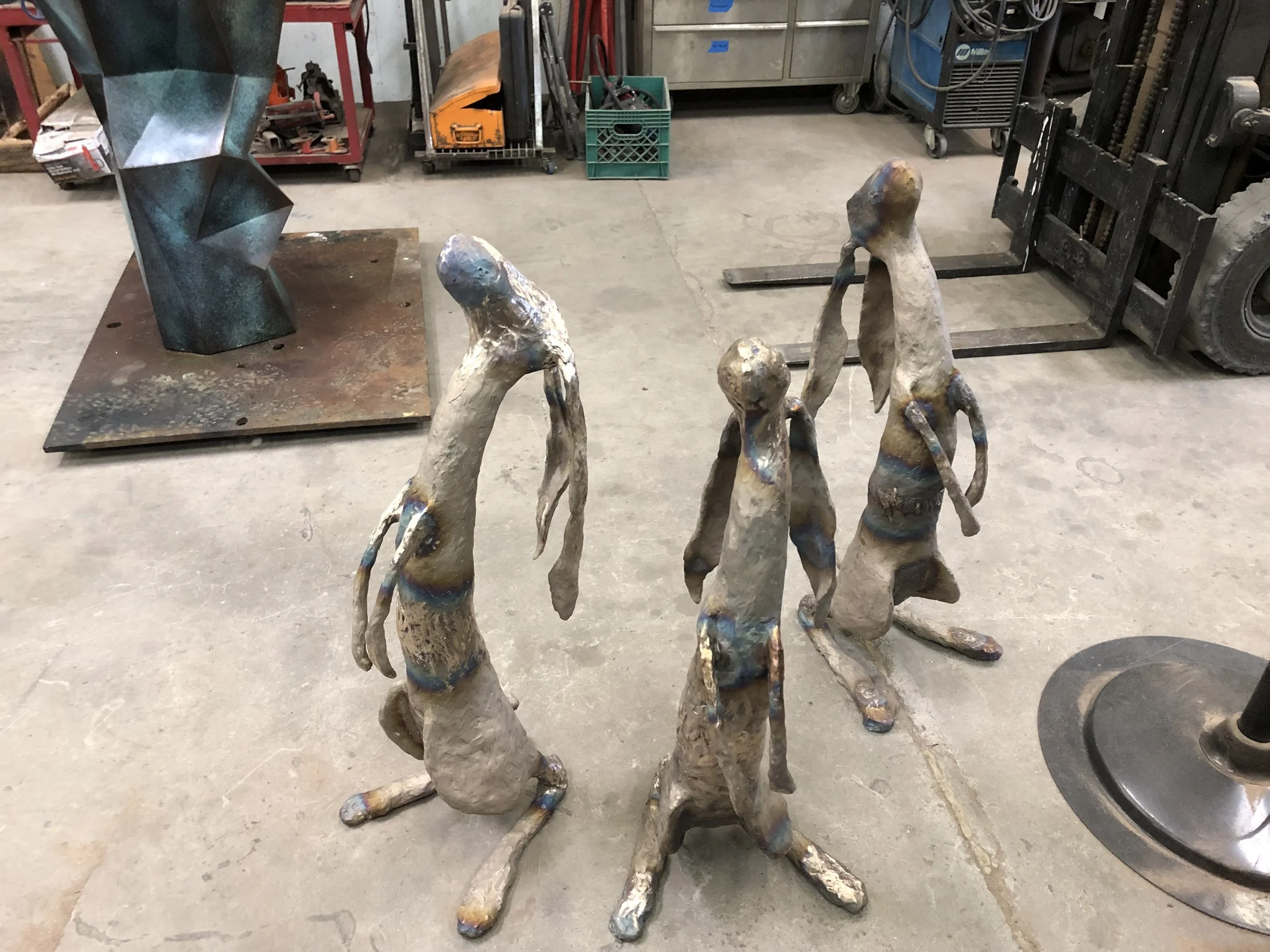
What makes this extraordinary is what it preserves: the texture of a thumbprint. The energy of a single gesture. The bronze does not interpret the sculptor's hand, it is the sculptor's hand, translated into something that will outlast centuries.
Every sculpture cast in this studio carries that lineage, ancient process, singular vision and enduring form.